
Introduction
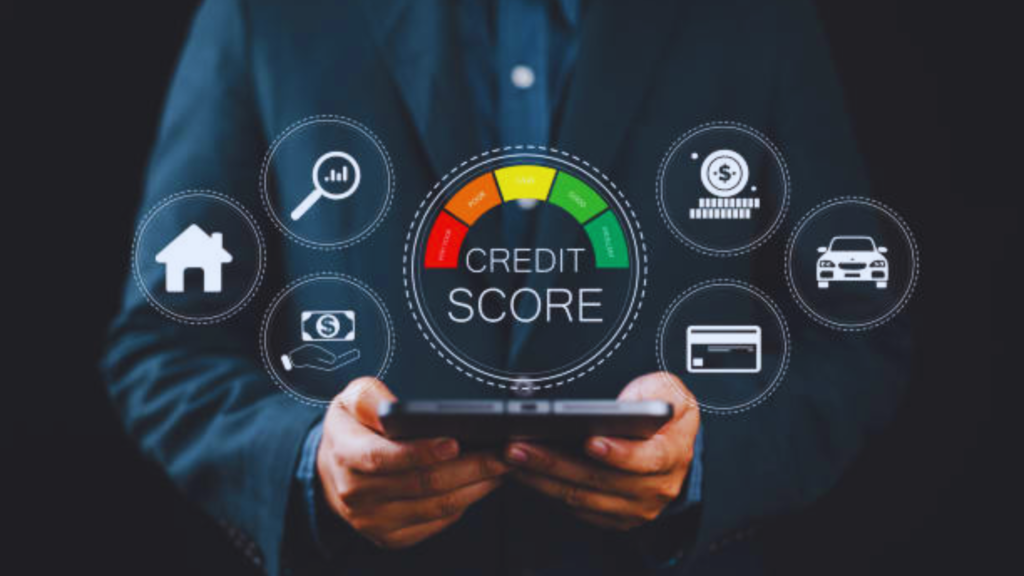
In 2026, building and maintaining a strong Business Credit Report is no longer optional—it’s a critical factor that determines whether your small business can access funding, secure partnerships, and scale successfully.
Lenders, investors, suppliers, and even insurance companies rely heavily on your Business Credit Report to evaluate your financial credibility. Whether you’re applying for a loan, negotiating better vendor terms, or expanding operations, your business credit profile plays a central role in decision-making.
That’s why understanding how to check a Business Credit Report for a small business in 2026 is essential. Regular monitoring not only keeps you informed but also helps you to identify errors, improve your score, and unlock new growth opportunities.
In this guide, you’ll learn everything you need to know about your Business Credit Report, including how it works, why it matters, and step-by-step instructions on how to access it.
What Is a Business Credit Report
A business’s credit history and financial conduct are comprehensively documented in a business credit report. It provides insights into how a business manages its financial obligations and is used by lenders, suppliers, and other stakeholders to assess risk.
Unlike personal credit reports, a Business Credit Report is tied to your business entity, not your individual identity. This means your company can build its own financial reputation separate from your personal credit score.
Key Differences from Personal Credit
A Business Credit Report is linked to your business registration details (such as EIN or business number).
It is publicly accessible to potential partners and creditors.
Multiple scoring models exist depending on the reporting agency.
What Information Does It Contain
A typical Business Credit Report includes:
Business Details: Company name, address, registration number, and industry classification
Payment History: Records of how promptly your business pays suppliers and lenders
Credit Utilization: How much credit your business uses compared to its limits
Public Records: Bankruptcies, liens, or legal filings
Understanding these components helps you better interpret your Business Credit Report online and identify areas for improvement.
Why Business Credit Reports Matter for Small Businesses
A strong Business Credit Report can significantly impact your company’s ability to grow, secure financing, and build long-term credibility in 2026. Small businesses, especially, your Business Credit Reportserves as a financial reputation others rely on before doing business with you.
Understanding why your Business Credit Report matters will help you take proactive steps to maintain and improve it.
Loan Approvals
One of the most important uses of a Business Credit Report is in loan evaluation. Banks, online lenders, and alternative financing providers depend heavily on your Business Credit Report to assess your risk level before approving any funding.
When lenders review your Business Credit Report, they look at:
- Payment history
- Outstanding debts
- Credit utilization
- Public records, such as liens or bankruptcies
A strong Business Credit Report signals that your business is financially responsible, making it easier to:
- Qualify for business loans
- Access higher credit limits
- Secure lower interest rates
On the other hand, a weak Business Credit Report may lead to loan rejections or higher borrowing costs. That’s why it’s important to regularly check your business credit score and ensure your report reflects accurate and positive information.
Vendor Trust
Suppliers and vendors often review your Business Credit Report before extending trade credit. Trade credit allows your business to purchase goods or services and pay later, which is crucial for managing cash flow.
A positive Business Credit Report helps you:
- Build trust with suppliers
- Negotiate longer payment terms (Net 30, Net 60, etc.)
- Access a larger inventory without an upfront payment
For new businesses, your Business Credit Report can be the deciding factor in whelther you get approved or denied for vendor credit.
If your Business Credit Report shows consistent on-time payments, vendors are more likely to see your business as reliable and low-risk.
Insurance Rates
Many business owners don’t realize that insurance companies may also evaluate your Business Credit Report when determining your premiums.
Insurers use your Business Credit Report to estimate:
- Financial stability
- Risk of late payments
- Likelihood of claims
A strong Business Credit Report can lead to:
- Lower insurance premiums
- Better coverage options
- Easier approval for policies
In contrast, a poor Business Credit Report may increase your insurance costs or limit your options.
Business Growth Opportunities
Your Business Credit Report plays a critical role in unlocking growth opportunities. Whether you’re forming partnerships, bidding for contracts, or expanding into new markets, your financial credibility matters.
Companies and organizations may review your Business Credit Report before:
- Signing partnership agreements
- Awarding large contracts
- Offering joint ventures
A well-maintained Business Credit Report demonstrates that your business is:
- Financially stable
- Trustworthy
- Capable of handling larger responsibilities
This is especially important in competitive industries where credibility can set you apart.
Investor and Partner Confidence
Beyond lenders and vendors, investors and potential business partners often rely on your Business Credit Report to evaluate your company.
A strong Business Credit Report can:
- Attract investors
- Improve negotiation power
- Strengthen your business reputation
Investors want assurance that their money is going into a financially responsible business, and your Business Credit Report provides that proof.
Cash Flow Management
Your Business Credit Report also indirectly affects your ability to manage cash flow. With better credit:
- You can access flexible financing
- You can delay payments through trade credit
- You can reinvest funds into growth
This makes your Business Credit Report a key tool for maintaining financial stability.
If you want to check a business credit score, your Business Credit Report is the foundation. Monitoring it regularly ensures you stay in control of your financial future.
Types of Business Credit Reports
There are several major business credit reporting agencies that issue Business Credit Reports. Each agency collects data differently and uses unique scoring models, which means your credit profile can vary across platforms.
Understanding the different types of Business Credit Reports available helps you get a complete picture of your business’s financial health.
Dun & Bradstreet (D&B)
The Dun and Bradstreet business credit Report is one of the most widely recognized and trusted reports globally. Many lenders, suppliers, and large corporations rely on it when evaluating businesses.
Your business requires a D-U-N-S Number, which serves as a unique identier to generate a Business Credit Report with Dun & Bradstreet.
What It Includes
A Business Credit Report from D&B typically contains:
PAYDEX Score (0–100): Measures how promptly your business pays its bills
Trade Payment History: Records from vendors and suppliers
Company Financials: Revenue estimates, employee size, and industry classification
Public Filings: Legal events such as bankruptcies or liens
Scoring System
The PAYDEX score is the core component of this Business Credit Report:
80–100: Payments made on time or early
50–79: Payments made late
Below 50: High risk
A high PAYDEX score strengthens your Business Credit Report and improves your credibility with creditors.
Experian Business
The Business credit report from Experian is another comprehensive and widely used report, especially among financial institutions.
Experian collects data from banks, suppliers, and public records to create a detailed Business Credit Report.
What It Includes
A Business Credit Report from Experian includes:
Payment Trends: Historical payment behavior
Credit Risk Score: Likelihood of delinquency
Public Records: Judgments, liens, and bankruptcies
Credit Accounts: Open and closed accounts
Scoring System
Experian uses the Intelliscore Plus model:
Score range: 0–100
Higher scores indicate lower risk
This scoring model helps lenders quickly assess your Business Credit Report and determine your creditworthiness.
Equifax Business
The Equifax business credit report provides in-depth insights into your company’s financial health and risk level.
Equifax gathers data from financial institutions, trade creditors, and public sources to create a reliable Business Credit Report.
What It Includes
A Business Credit Report from Equifax includes:
Credit Accounts: Active and past credit lines
Payment Performance: Timeliness of payments
Legal Filings: Bankruptcies, liens, and court judgments
Company Background: Business structure and history
Scoring System
Equifax uses multiple scoring models:
Business Credit Risk Score: Predicts the likelihood of delinquency
Business Failure Score: Predicts risk of business closure
These scores provide a broader view of your Business Credit Report and overall stability.
Other Agencies
In addition to the major three, some businesses also explore a TransUnion business credit report, although it is less commonly used.
Other platforms and tools aggregate data from multiple business credit reporting agencies to provide a more unified Business Credit Report online.
These may include:
- Credit monitoring platforms
- Financial dashboards
- Lending marketplaces
Why You Should Check Multiple Reports
Each Business Credit Report may contain different data because agencies collect information from different sources.
By reviewing multiple reports, you can:
- Identify discrepancies
- Get a complete financial picture
- Improve accuracy across all platforms
If you’re serious about financial growth, don’t rely on just one Business Credit Report—analyzing multiple sources gives you a competitive advantage.
Final Insight
Understanding the different types of Business Credit Reports is essential if you want to know how to get a business credit report effectively and use it to your advantage.
Whether you’re using a free business credit report or a paid service, each report provides valuable insights that can help you make smarter financial decisions and grow your business confidently.
How to Check Business Credit Report for Small Business (Step-by-Step)
Learning how to check a Business Credit Report is one of the most important steps you can take to protect and grow your business in 2026. Your Business Credit Report acts as a financial snapshot that lenders, vendors, and partners use to evaluate your reliability.
By following a structured process, you can easily access your Business Credit Report online, identify issues, and take action to improve your financial standing.
Step 1: Gather Your Business Information
Before you check your Business Credit Report, you need to prepare the correct documentation. This ensures a smooth verification process and prevents delays when accessing your report.
You will typically need:
- Business name and registered address (must match official records)
- Registration number or EIN (or CAC number if applicable)
- Business phone number and email address
- D-U-N-S Number (for Dun & Bradstreet reports)
Having accurate information is crucial because business credit reporting agencies use these details to locate your profile. Any mismatch can result in incomplete or missing data in your Business Credit Report.
If you’re just starting, gathering this information is also the first step in understanding how to get a business credit report properly.
Step 2: Choose a Credit Bureau
The next step in checking your Business Credit Report is selecting a provider. Each bureau collects data differently, which means your report may vary across platforms.
The main providers include:
Dun & Bradstreet – Best for trade credit and PAYDEX score
Experian – Strong in financial and banking data
Equifax – Known for risk and failure analysis
If your goal is to understand your financial position fully, it’s recommended to check your Business Credit Report from more than one bureau.
For example:
Use Dun & Bradstreet for supplier relationships
Use Experian for loan applications
Use Equifax for risk assessment
This multi-source approach gives you a more complete and accurate Business Credit Report.
Step 3: Register or Request Access
To access your Business Credit Report online, you’ll need to create an account on your chosen platform.
This typically involves:
- Signing up with your business email
- Creating a secure password
- Providing business identification details
Most platforms offer dashboards that allow you to monitor your Business Credit Report in real time.
This step is especially important if you’re learning how to get a business credit report quickly, as online registration is the fastest method available in 2026.
Some platforms also provide alerts to help you track changes in your Business Credit Report automatically.
Step 4: Verify Your Business
Verification is a critical step before you can access your Business Credit Report. It ensures that only authorized individuals can view sensitive financial data.
Verification methods may include:
Email confirmation – A link is sent to your registered email
Phone verification – OTP or automated call
Document submission – Business registration certificates or ID
Address verification – Matching official records
In some cases, especially for a detailed Business Credit Report online, verification may take 24–72 hours.
Completing this step accurately ensures that your Business Credit Report is secure and accessible only to you or authorized personnel.
Step 5: Review Your Report
Once you gain access, the most important step is analyzing your Business Credit Report carefully.
Here’s what to look for:
1. Errors or Inaccuracies
Mistakes in your Business Credit Report can negatively affect your score. Look for:
Incorrect business details
Duplicate accounts
Misreported payments
2. Payment History
Check whether all payments are recorded correctly. Late payments can significantly impact your Business Credit Report.
3. Credit Utilization
This shows how much credit you’re using compared to your limits. High utilization can lower your score.
4. Public Records
Look for:
- Liens
- Judgments
- Bankruptcy records
If you find errors, you should dispute them immediately with the relevant business credit reporting agencies.
Regularly reviewing your Business Credit Report helps you stay proactive and avoid surprises when applying for funding.
Free vs Paid Options
When checking your Business Credit Report, you’ll come across both free and paid options.
Free Options
A free business credit report or free business credit check typically provides:
- Basic credit score
- Limited account information
- Summary of payment behavior
These are ideal for quick checks and monitoring.
Paid Options
Paid versions of a Business Credit Report offer:
- Detailed credit analysis
- Full account history
- Risk scores and predictive insights
- Alerts and monitoring tools
If you’re serious about growth or planning to apply for funding, investing in a detailed Business Credit Report online is highly recommended.
How Often Should You Check?
Monitoring frequency plays a key role in maintaining a healthy Business Credit Report.
Recommended Frequency:
Quarterly: For stable, established businesses
Monthly: If actively seeking loans or credit
Weekly: If you suspect fraud or errors
Frequent monitoring ensures your Business Credit Report remains accurate, up to date, and aligned with your financial goals.
Where to Check Your Business Credit Report in 2026
Knowing where to access your Business Credit Report online is just as important as knowing how to check it. In 2026, several reliable platforms will make it easy to monitor your business credit.
Dun & Bradstreet
Dun & Bradstreet is one of the most trusted sources for a Business Credit Report, especially for companies dealing with suppliers and trade credit.
Key Features:
- PAYDEX score tracking
- Trade credit insights
- Global business database
Pricing:
- Free basic access available
- Premium subscriptions for advanced reports
D&B is ideal if you want to build credibility with vendors and improve your Business Credit Report in supply chains.
Experian Business
Lenders and financial institutions widely use the Business credit report from Experian.
Key Features:
- Real-time credit updates
- Credit risk evaluation
- Detailed payment trends
Pricing:
- Subscription-based plans
- Tiered pricing depending on report depth
Experian is a strong choice if your focus is on loans and financial credibility through your Business Credit Report.
Equifax Business
The Equifax business credit report offers powerful analytics and predictive scoring.
Key Features:
- Risk assessment tools
- Business failure predictions
- Comprehensive credit data
Pricing:
- Paid reports only
- Custom pricing for advanced analytics
Equifax is particularly useful for understanding long-term risks in your Business Credit Report.
Nav
Nav is a modern platform that simplifies access to your Business Credit Report online.
Key Features:
- Combines data from multiple bureaus
- Offers a free business credit check
- User-friendly dashboard
Nav is perfect for small business owners who want a simple way to monitor their Business Credit Report without complexity.
These platforms make it easy to check business credit scores, compare data, and take control of your financial profile.
How to Improve Your Business Credit Score
Improving your Business Credit Report is not an overnight process, but with consistent effort, you can significantly boost your score and financial reputation.
Pay Bills on Time
Your payment history is the most influential factor in your Business Credit Report.
To improve it:
- Pay vendors and lenders before due dates
- Set up automatic payments
- Avoid missed or late payments
Consistent on-time payments strengthen your Business Credit Report and build trust with creditors.
Monitor Your Report
Regularly reviewing your Business Credit Report helps you:
- Detect errors early
- Track improvements
- Identify negative trends
Using alerts and monitoring tools ensures your Business Credit Report stays accurate and updated.
Reduce Credit Utilization
Credit utilization refers to how much of your available credit you’re using.
To maintain a healthy Business Credit Report:
- Keep usage below 30% of your limit
- Avoid maxing out credit lines
- Request higher limits if needed
Lower utilization signals financial discipline and improves your Business Credit Report.
Work with Reporting Vendors
Not every supplier provides business credit reporting bureaus with payment information.
To strengthen your Business Credit Report:
- Choose vendors that report to bureaus
- Build relationships with reporting suppliers
- Use trade credit strategically
This ensures your positive payment behavior is reflected in your Business Credit Report.
Separate Business and Personal Finances
Keeping finances separate helps build a strong Business Credit Report independently.
- Open a business bank account
- Use a business credit card
- Avoid mixing personal expenses
This separation improves transparency and strengthens your Business Credit Report over time.
Build Credit History Gradually
If your business is new, focus on building a positive track record.
- Start with small credit lines
- Make consistent payments
- Gradually increase credit usage
Over time, this builds a solid Business Credit Report that supports growth.
Final Insight
Improving your Business Credit Report requires discipline, consistency, and regular monitoring. By following these strategies, you can create a strong financial foundation that supports long-term success.
Remember, your Business Credit Report is more than just a score—it’s a powerful tool that determines your business’s future opportunities.
Common Mistakes to Avoid
Avoid these common pitfalls when managing your Business Credit Report:
Not Checking Regularly
Failing to monitor your Business Credit Report can lead to unnoticed errors.
Mixing Personal and Business Credit
Keep your finances separate to build a strong Business Credit Report.
Ignoring Errors
Mistakes on your Business Credit Report can harm your score if left unresolved.
Frequently Asked Questions (FAQs)
Can I Check My Business Credit Report for Free?
Yes, many platforms offer a free business credit report or limited free business credit check options.
How Often Should I Check It?
You should check your Business Credit Report at least quarterly, or more frequently if you’re applying for financing.
Does Checking Hurt My Score?
No, checking your own Business Credit Report does not negatively impact your score.
Conclusion
Understanding how to check a Business Credit Report for a small business in 2026 is a powerful step toward financial stability and growth.
A well-maintained Business Credit Report can help you secure loans, build trust with vendors, and unlock new opportunities. By regularly monitoring your report, correcting errors, and improving your credit habits, you position your business for long-term success.
Don’t wait until you need funding—take control of your Business Credit Report today. Start with a free business credit report, explore your options, and make informed decisions that drive your business forward.