

Affiliate marketing for beginners offers a way to build an online business by recommending products or services and earning commissions when people complete qualifying actions through tracked referrals. You do not need to manufacture products, manage inventory, or handle order fulfillment. However, you do need a clear strategy, useful content, and an understanding of your audience.
The opportunity is substantial. According to the Performance Marketing Association’s 2025 U.S. Affiliate Marketing Industry Study, U.S. affiliate marketing spending reached $13.62 billion in 2024, an increase of 49.8% compared with 2021. The industry also generated an estimated $113 billion in U.S. e-commerce sales that year.
If you want to learn how to start affiliate marketing in 2026, this guide explains the essential steps, from choosing a niche and finding suitable affiliate programs to creating content, attracting visitors, and measuring results.
Affiliate marketing is not a guaranteed way to make money quickly. Your results will depend on factors such as product relevance, audience trust, competition, traffic, conversion rates, and the terms of the affiliate programs you join.
Written by Mukthar Salam
Last reviewed: October 2026
What Is Affiliate Marketing?
Affiliate marketing is a performance-based business arrangement in which a company pays a publisher, creator, or marketer for generating qualifying referrals. Depending on the program, the required action may be a purchase, subscription, application, registration, or another specified conversion.
Affiliate marketing is also a significant part of the U.S. e-commerce ecosystem. The Performance Marketing Association estimated that affiliate marketing generated 9.4% of total U.S. e-commerce sales in 2024. Its study reported that spending grew at a 14.42% compound annual growth rate between 2021 and 2024, nearly twice the growth rate of the broader U.S. e-commerce market over the same period.
The process generally involves four parties:
- Merchant: The business selling a product or service.
- Affiliate: The person or publisher promoting that product.
- Tracking platform: The system that records referrals and qualifying conversions, when applicable.
- Customer: The person who completes the required action.
For example, imagine you publish an article comparing email marketing platforms for small businesses. You join a relevant affiliate program and receive a unique tracking link. A reader clicks the link and subscribes to the software. If the transaction meets the program’s attribution and eligibility rules, you may receive a commission. The key is to recommend products that genuinely match your readers’ needs rather than inserting affiliate links wherever possible.
Why Is Affiliate Marketing Growing?
Affiliate marketing has attracted attention because it connects marketing expenditure with measurable outcomes. Businesses can work with publishers, comparison websites, bloggers, creators, and other partners to reach people who are researching products.
The Performance Marketing Association’s 2025 study reported that retail affiliate programs generated an average return on ad spend of $11 for every $1 spent, while travel affiliate programs averaged $19 for every $1 spent in 2024. These figures are industry-level averages for the respective categories, not expected returns for every campaign or affiliate.
The same report highlighted the importance of different product categories. Retail accounted for 63% of U.S. affiliate marketing activity or spending in 2024, while clothing and accessories represented 38% of retail affiliate revenue. Travel’s share of affiliate revenue reportedly doubled to 19%.
Technology-related partnerships were also changing: buy now, pay later (BNPL) affiliates accounted for 45% of technology-related affiliate advertising spending in 2024, according to the report summary. This is a description of the market, not a recommendation to promote financial products without carefully assessing their suitability, terms, and risks.
These statistics suggest that affiliate marketing is not limited to one type of product. Retail, travel, technology, and other sectors can offer opportunities, but beginners should choose a niche based on their knowledge, audience needs, and the quality of available programs—not market size alone.
Affiliate Marketing Explained in Simple Terms
Imagine that a friend asks you: “Which web hosting service should I use for my new website?” You explain the differences between several providers and recommend one based on the friend’s requirements.
Now imagine that instead of giving your friend the company name directly, you provide a special referral link. If the company tracks the referral and your friend completes the qualifying action required by the program, you may receive a commission. That is the basic concept of affiliate marketing. The professional version is more sophisticated because an affiliate may have:
- Thousands of website visitors
- An email newsletter
- A YouTube channel
- Social-media followers
- Product comparison pages
- Tutorials
- Search traffic
- Paid advertising
- Multiple affiliate relationships
However, the underlying principle remains the same: Create useful experiences that help people make decisions, then earn compensation when those decisions produce qualifying referrals.
How Affiliate Marketing Programs Work
Understanding the mechanics is essential before you start.
1. The Merchant Creates an Affiliate Program
A company decides that it wants external publishers or creators to help generate sales or leads. It establishes terms such as:
- Eligible products
- Commission rates
- Qualifying actions
- Cookie or attribution rules
- Payment schedule
- Promotional restrictions
- Prohibited traffic sources
- Geographic restrictions
- Brand-use rules
- Refund and reversal policies
The exact terms vary considerably between programs. Never assume that two affiliate programs operate in the same way simply because both pay commissions.
2. The Affiliate Applies
You normally apply directly to the company’s affiliate program or through an affiliate network. The company may evaluate:
- Your website
- audience
- content
- traffic
- promotional methods
- geographic market
- previous affiliate activity
Some programs accept beginners immediately. Others require an established audience or website.
3. The Affiliate Receives a Tracking Method
After approval, the affiliate receives a unique tracking link, promotional code, tracking ID, or another attribution mechanism. This allows the merchant or affiliate platform to determine where a qualifying conversion originated.
4. The Affiliate Creates Promotional Content
The affiliate then introduces the product to a relevant audience. Content might include:
- Reviews
- Tutorials
- Buying guides
- Comparisons
- Case studies
- Demonstrations
- Email newsletters
- YouTube videos
- Podcasts
- Social posts
- Resource pages
The strongest content does not begin with: “How can I place my affiliate link here?” It begins with: “What information does this person need to make a sensible decision?”
5. A Visitor Clicks the Affiliate Link
When the visitor clicks the tracked link, the affiliate system attempts to record the referral. The exact tracking method depends on the program. Attribution can be affected by factors such as:
- Cookie duration
- Device changes
- Browser settings
- Tracking restrictions
- Competing referral sources
- Coupon codes
- Attribution rules
- Returns or cancellations
Therefore, a click does not automatically mean a commission.
6. The Customer Completes the Required Action
The customer might:
- Purchase a product
- Start a subscription
- Submit an application
- Register for a service
- Complete another qualifying event
The program then evaluates whether the conversion meets its terms.
7. The Commission Is Recorded
If the conversion qualifies, the affiliate dashboard normally records the transaction. There may be a validation period before the commission becomes payable. For example, a transaction could later be reversed because:
- customer requested a refund.
- payment failed.
- order was cancelled.
- transaction violated program rules.
- referral did not satisfy the attribution requirements.
That is why affiliates should distinguish between reported commissions and finalized commissions.
How Affiliates Make Money

Affiliate programs can use different compensation models.
1. Pay Per Sale
Pay-per-sale programs pay when a qualifying purchase occurs. For example: A software company might pay a fixed amount for each new customer referred by an affiliate. Another company might pay a percentage of the customer’s qualifying purchase. This model is common for:
- Software
- E-commerce products
- Hosting
- Courses
- Digital services
- Subscriptions
2. Pay Per Lead
With pay-per-lead arrangements, the affiliate may earn money when a visitor completes a qualifying lead action. Examples include:
- Completing an application
- Requesting a quote
- Registering for a service
- Signing up for a trial
- Submitting contact information
The customer may not necessarily purchase the affiliate to receive compensation.
3. Pay Per Action
Some programs define a specific action that triggers payment. The action might be:
- Account creation
- App installation
- Registration
- Trial activation
- Booking
- Form completion
The important question is not simply: “How much does the affiliate pay?” Instead ask: “What exact action qualifies for payment, and under what conditions?”
4. Recurring Commissions
Some subscription businesses offer recurring commissions. For example, an affiliate could receive compensation when a referred customer continues paying for an eligible subscription. However, recurring commissions should not automatically be interpreted as guaranteed recurring income. Customers can:
- Cancel
- Downgrade
- Request refunds
- Change plans
- Become ineligible
- Fall outside the program’s attribution rules
Always read the current program terms.
5. Hybrid Commission Structures
Some programs combine different compensation methods. For example, a program might provide:
- A fixed payment for the initial conversion
- A recurring commission afterward
- Performance bonuses after reaching certain thresholds
The economics can be attractive, but the commission rate alone should never determine whether you promote a product.
The Economics of Affiliate Marketing
Many beginner guides oversimplify this area. Affiliate revenue does not equal profit. A more useful way to think about affiliate economics is: Affiliate profit = commissions − operating costs − advertising costs − content costs − tools − other business expenses. Suppose a website generates:
- $1,000 in affiliate commissions
- $200 in content expenses
- $100 in software expenses
- $150 in advertising
The business has not generated $1,000 of profit. Its contribution before other expenses would be: $1,000 − $200 − $100 − $150 = $550. Taxes and other business costs may also apply. This is why experienced affiliates monitor the entire customer-acquisition process rather than celebrating revenue alone.
Important Affiliate Marketing Metrics
You do not need dozens of metrics when starting. Focus on the numbers that explain the business.
Traffic: How many relevant people are reaching your content?
Affiliate Click-Through Rate: What percentage of visitors click an affiliate link?A simplified formula is: Affiliate CTR = Affiliate clicks ÷ relevant page visitors × 100
Conversion Rate: How many referred visitors complete the qualifying action? Conversion rate = Conversions ÷ tracked clicks × 100
Earnings Per Click: EPC can help compare the economic performance of different campaigns or links. The exact calculation and reporting methodology can vary between platforms, so use the definition provided by the affiliate network when comparing its figures.
Revenue Per Visitor: This helps you understand whether increasing traffic is actually producing economic value.
Refund or Reversal Rate: If a program frequently reverses commissions, headline earnings may overstate actual revenue.
The Advantages of Affiliate Marketing
Affiliate marketing has several structural advantages.
No Product Manufacturing: You generally do not have to manufacture the product you recommend.
Non-Physical Inventory: The merchant normally handles inventory when physical goods are involved.
No Product Fulfillment: Shipping, delivery, and fulfillment are usually handled by the merchant.
Relatively Low Initial Cost: A beginner can start with relatively little infrastructure, although a professional operation may eventually require:
- Hosting
- Domain registration
- Email software
- Analytics
- Content production
- Design tools
- Advertising
- Research tools
“Low startup cost” does not mean “zero cost.”
Multiple Distribution Channels: Affiliate content can be distributed through:
- Websites
- Search engines
- YouTube
- Podcasts
- Social media
- Communities
- Partnerships
Scalability: A useful piece of content can potentially continue attracting visitors after publication.
However, that does not make affiliate marketing automatically passive. Products change. Programs close. Commission rates change. Search visibility changes. Links break. Content becomes outdated. A serious affiliate business requires maintenance.
The Limitations and Risks of Affiliate Marketing
A credible guide should discuss the disadvantages as clearly as the benefits.
| Potential advantage | Potential limitation |
| Relatively low startup costs | Competition can be intense |
| No physical inventory | You do not control the merchant |
| Flexible publishing model | Results may take time |
| Multiple traffic channels | Traffic sources can change |
| Scalable content | Content requires maintenance |
| No direct fulfillment | Customer experience partly depends on the merchant |
| Multiple affiliate programs | Programs can change their terms |
| Potential recurring commissions | Recurring revenue is not guaranteed |
| Can complement a website | Affiliate income is not guaranteed |
Affiliate marketing is therefore better understood as a business model, not a guaranteed income method.
How to Start Affiliate Marketing for Beginners

Starting an affiliate marketing business becomes easier when you follow a practical sequence instead of trying to promote numerous products immediately.
1. Choose a Specific Affiliate Marketing Niche
A niche is the subject or market your content focuses on. Choosing a clear niche helps you understand your audience, plan relevant content, and identify suitable products. Potential niches include:
- Small-business software and productivity tools
- Web hosting and website creation
- Digital marketing and search engine optimization
- Artificial intelligence tools
- Online education and professional development
- Photography and creative software
Do not choose a niche based only on commission rates. Consider whether people need solutions in that market, whether relevant products exist, and whether you can create useful content consistently.
For example, a website focused on software for small businesses could publish tutorials, product comparisons, implementation guides, and reviews that help readers make informed decisions.
2. Research Your Target Audience
Before joining affiliate programs, understand the people you want to help. Ask yourself:
- What problems are they trying to solve?
- What questions do they ask before purchasing?
- Which features matter most to them?
- What alternatives are they considering?
- What concerns might prevent them from choosing a product?
Use search results, product documentation, customer feedback, relevant community discussions, and keyword research tools to identify these needs. This research will help you create content that answers genuine questions instead of publishing articles simply because a keyword appears popular.
3. Find Relevant Affiliate Programs
Once you understand your audience, identify companies offering products that address their needs. Affiliate opportunities may come from individual companies, affiliate networks, software providers, retailers, or digital product creators. Before joining a program, examine:
- Commission structure and qualifying actions
- Attribution rules and cookie duration
- Payment methods and minimum payout
- Refund and commission-reversal policies
- Geographic restrictions
- Promotional requirements and prohibited practices
- Product quality, pricing, and customer support
Industry research illustrates why businesses value affiliate partnerships. According to impact.com’s State of Affiliate Marketing research, 74% of surveyed brands reported that affiliate marketing generated between 11% and 30% of their total revenue. The report also found that 59% of brands planned to allocate at least 25% of their affiliate budgets to creator partnerships.
A separate marketer-survey statistic published by Maestra reported that 81% of brands used affiliate programs to drive sales. Because this figure is presented in a secondary statistics roundup, check its underlying survey and date before using it as a current industry benchmark.
A high commission does not automatically make a program worthwhile. A useful product with clear terms may be a better long-term choice than an unsuitable product offering a larger payout.
Always verify current terms directly with the program before publishing specific commission or pricing claims.
4. Choose a Website or Publishing Platform
You can promote affiliate products through a website, blog, YouTube channel, email newsletter, or other permitted publishing platforms.
Creator content also plays a meaningful role in shopping decisions. EMARKETER’s U.S. creator-driven commerce research found that creator, influencer, and celebrity-influencer content led approximately 49.5% of U.S. social shoppers surveyed to make a purchase.
Another EMARKETER report published in January 2025 noted that 56.5% of U.S. social shoppers followed creators or influencers on social media, based on survey data. These figures refer to U.S. social shoppers and should not be treated as statistics for all consumers worldwide.
A website can be particularly useful because it allows you to organize related articles, build topic clusters, and create a searchable library of resources.
If you choose WordPress, start with a clear website structure, mobile-friendly design, reliable hosting, backups, security measures, and straightforward navigation. Publish an About page, Contact page, Privacy Policy, and clear affiliate disclosure where appropriate.
You do not need a complicated website to begin. Focus on making it easy for readers to understand your content and find the information they need.
5. Create Helpful Affiliate Marketing Content
Useful content is central to sustainable affiliate marketing. Your articles should help readers understand a problem, compare potential solutions, or learn how to use a product. Consider publishing:
- Beginner guides explaining important concepts
- Product reviews with clear evaluation criteria
- Comparison articles showing meaningful differences
- Tutorials demonstrating specific workflows
- Buying guides explaining features to consider
- Alternatives articles for readers with different needs
- Case studies based on documented experiences
For example, instead of publishing a generic article listing email marketing tools, explain which features matter to different business sizes, what each platform costs according to verified information, and what limitations readers should consider.
This approach becomes even more important when creators and coupon promotions influence purchasing decisions. According to Shopify’s affiliate marketing statistics roundup, 32.3% of influencer affiliate conversions on the Awin network included a coupon during the first half of 2024, compared with 8.8% during the same period a year earlier.
If you have not personally tested a product, say so. You can still produce useful research-based content by reviewing documentation and available evidence, provided you describe your methodology accurately.
6. Attract Relevant Traffic
Publishing an article does not guarantee that people will discover it. Build a traffic strategy that fits your audience and available resources.
Search engine optimization (SEO): Research relevant keywords, use descriptive headings, write helpful titles and meta descriptions, add useful internal links, optimize images, and ensure your website is accessible on mobile devices.
Email marketing: Build a permission-based subscriber list and share useful information. Recommend affiliate products only when they are relevant to the subscriber’s interests.
Video and social media: Demonstrations, tutorials, short educational posts, and product comparisons can help people discover your content through different channels.
Creator partnerships may also help brands reach relevant audiences. In impact.com’s research, 59% of surveyed brands planned to allocate at least 25% of their affiliate budgets to creator partnerships. For beginners, the takeaway is not that you must hire creators, but that relevant voices and audience trust can matter in affiliate marketing.
Choose a manageable number of channels and improve your approach based on evidence rather than trying to maintain every platform at once.
7. Disclose Affiliate Relationships Clearly
Transparency is an important part of building audience trust. If you may earn a commission from qualifying purchases, provide a clear disclosure where readers can notice it before or when they encounter your recommendations. For example: “Some links in this article are affiliate links. If you purchase through them, we may earn a commission at no additional cost to you.”
The appropriate disclosure depends on the applicable laws, platform requirements, and circumstances. A disclosure does not justify unsupported claims, fabricated testimonials, or misleading product reviews.
8. Track Results and Improve Your Strategy
Monitor a small set of meaningful metrics so you can identify which content is helping your business. Important measures include:
- Organic traffic: Visitors arriving through unpaid search results.
- Affiliate clicks: Clicks on tracked promotional links.
- Conversion rate: The percentage of relevant clicks that result in qualifying actions.
- Commission revenue: The commissions recorded under program rules.
- Reversals and refunds: Transactions that do not remain eligible for commission.
- Operating costs: Expenses associated with content, hosting, software, and promotion.
Do not assume that more clicks will always produce more sales. Impact.com’s 2025 Affiliate Benchmark report found that affiliate clicks increased 2% year over year in 2025, while conversion rates declined 6%. Affiliate transactions fell 5%, even though consumer spending declined by only 1%.
A page attracting fewer visitors may still perform well if it reaches people who need the recommended product. Review the complete journey from search to click to conversion instead of judging success by traffic alone.
Examples of Affiliate Niches
Artificial Intelligence
Possible products include:
- AI software
- Productivity applications
- Writing tools
- Design platforms
- Automation software
- Coding tools
The challenge is rapid change. AI products and pricing can change quickly, making regular updates particularly important.
Digital Marketing
Possible categories include:
- SEO software
- Email marketing
- CRM systems
- Website builders
- Analytics tools
- Marketing automation
- Social-media software
This can work particularly well when the affiliate publisher provides practical implementation guidance rather than simply listing tools.
Web Hosting and Website Tools
Possible categories include:
- Hosting
- Domain registration
- Website builders
- Security
- Backups
- WordPress tools
- Performance software
Education
Possible categories include:
- Courses
- Learning platforms
- Certification programs
- Language-learning tools
- Professional training
Home and Productivity
Possible categories include:
- Productivity software
- Office equipment
- Ergonomic products
- Organization tools
- Collaboration platforms
Health and Wellness
This category requires additional care. Avoid unsupported medical, health, treatment, or outcome claims. If your content involves health decisions, use reliable evidence and make clear distinctions between general educational information and professional medical advice.
Personal Finance
Financial content also requires a higher standard of accuracy. Information about financial products, investments, credit, loans, taxes, insurance, and similar subjects can have significant consequences for readers. Use authoritative sources, verify current terms, and avoid presenting affiliate relationships as evidence that a financial product is appropriate for everyone.
Different Types of Affiliate Marketing
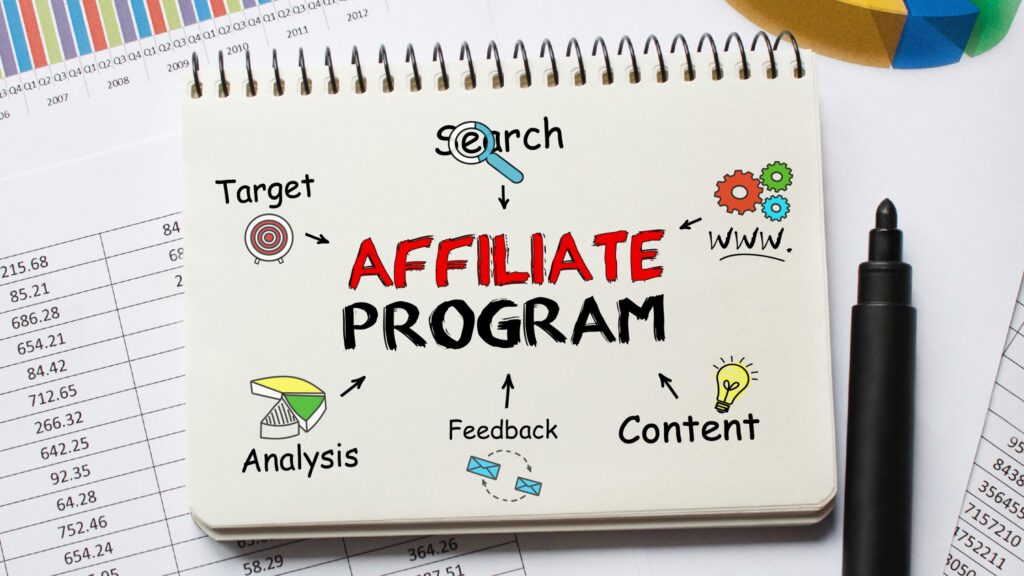
The original draft distinguishes between unattached, related, and involved affiliate marketing. These categories are useful, but they should be understood as different degrees of connection between the publisher and the product.
Unattached Affiliate Marketing
The publisher promotes products without a strong personal or subject-matter relationship to the product. This can make it harder to establish credibility because the audience may have little reason to trust the recommendation.
Related Affiliate Marketing
The product is relevant to the publisher’s subject, but the publisher may not personally use every product being discussed.
For example, a marketing website might compare several SEO tools based on documentation, testing, demonstrations, and available evidence. The publisher should clearly distinguish firsthand experience from research.
Involved Affiliate Marketing
The publisher has direct experience with the product and can discuss how it works in practice. This can allow for richer content such as:
- Screenshots
- Tutorials
- Workflows
- Demonstrations
- Strengths and limitations
- Real-world use cases
The important point is not to claim firsthand experience unless you actually have it.
Affiliate Marketing Platforms and Networks
Affiliate networks can make it easier for merchants and publishers to work together. The original draft identifies platforms including Amazon Associates, Impact, CJ Affiliate, ShareASale, Awin, PartnerStack, and ClickBank.
However, the availability, ownership, merchant selection, geographic eligibility, commission structures, and program terms of these platforms can change. Rather than choosing a platform because an article calls it “the best,” evaluate the specific opportunity. Check:
- Available advertisers
- Your target country
- Product relevance
- Commission structure
- Attribution rules
- Payment methods
- Minimum payout
- Program terms
- Promotional restrictions
- Support
- Reporting
Affiliate Marketing Tools
You do not need a huge software stack when starting. Build your toolkit around the job that needs to be done.
Website Platform: Used to publish and organize your content.
Analytics: Used to understand:
- Visitors
- Traffic sources
- Engagement
- Conversions
- Page performance
Search Research Tools: Useful for understanding:
- Search demand
- Related topics
- Search intent
- Competitor coverage
Email Marketing Software; Useful for:
- Subscriber management
- Welcome sequences
- Newsletters
- Segmentation
- Automated campaigns
Design Software; Useful for:
- Thumbnails
- Blog graphics
- Social posts
- Lead magnets
- Diagrams
Link Management; Useful when you have many affiliate links and need a systematic way to manage them.
Spreadsheet or Dashboard: A simple spreadsheet can be enough when you are starting. The goal is not to collect data simply because it is available. The goal is to collect data that helps you make better decisions.
How AI Can Help Affiliate Marketers in 2026
AI can be useful throughout an affiliate workflow. For example, you can use AI to help:
- Brainstorm content topics
- Organize research
- Summarize product documentation
- Generate interview questions
- Create content outlines
- Analyze spreadsheets
- Identify content gaps
- Repurpose existing material
- Develop testing checklists
- Generate draft social-media ideas
- Review content for clarity
But there is an important distinction: AI-assisted content is not automatically authoritative content. If an AI system produces a product claim that you have not verified, publishing it does not make the claim accurate.
A strong workflow is: Research → Verify → Analyze → Draft → Fact-check → Add original insight → Edit → Publish → Monitor. That is much safer than: Prompt → Copy → Publish.
Google’s people-first guidance specifically asks publishers to consider whether content demonstrates original information, expertise, substantial value, and careful production rather than being mass-produced primarily for search traffic.
Common Affiliate Marketing Mistakes to Avoid
Beginners can waste time and money by treating affiliate marketing as a quick way to earn money rather than a business that requires research and ongoing improvement. Avoid these common mistakes:
Choosing a niche only for its commissions. High commissions do not help if the product is unsuitable for your audience or difficult to recommend credibly.
Publishing thin content. Pages that repeat product descriptions without offering comparisons, explanations, or original insights give readers little reason to trust them.
Ignoring search intent. An article should answer the question behind a search, whether the reader wants a definition, a tutorial, or help choosing between products.
Relying on one traffic source. Search rankings and social reach can change. Build durable content and develop appropriate ways to reach your audience directly.
Failing to measure performance. Without tracking, it is difficult to know whether a page needs better content, a clearer call to action, or a more relevant product.
Making unrealistic income claims. Industry spending and brand revenue statistics do not show what a beginner can expect to earn. Be transparent about uncertainty and the time required to build an audience.
Affiliate Marketing vs. Dropshipping
These models are often confused.
| Affiliate Marketing | Dropshipping |
| Merchant generally handles fulfillment | Seller coordinates fulfillment through suppliers |
| Affiliate earns commission | Also, the seller earns the difference between revenue and costs |
| Affiliate normally does not process the customer’s order | Seller generally handles the customer order |
| Lower operational complexity | More operational responsibility |
| Merchant controls the product | Seller has greater control over the customer-facing offer |
| Customer relationship may largely remain with merchant | Seller generally manages customer service |
Neither model eliminates business risk. They simply place different responsibilities on the operator.
Affiliate Marketing vs. Blogging
Blogging is a publishing method. Affiliate marketing is a monetization model. A blog can make money through:
- Affiliate marketing
- Advertising
- Digital products
- Courses
- Sponsorships
- Memberships
- Services
- Software
Therefore: Blogging ≠ affiliate marketing. Affiliate marketing can be one business model built on top of a blog.
Affiliate Marketing vs. Freelancing
Freelancing involves selling your skills or time to clients. Affiliate marketing involves generating qualifying referrals for products or services.
| Freelancing | Affiliate Marketing |
| Client pays for service | Merchant pays for qualifying referral |
| Revenue usually tied to client work | Revenue tied to conversions |
| Requires client delivery | Usually does not require product fulfillment |
| Can generate revenue directly from skills | Requires audience and/or traffic |
| Client management is important | Content and audience management are important |
Some entrepreneurs combine both. For example, a freelance web designer could recommend hosting, design tools, email platforms, or software relevant to their clients.
How Long Does It Take to Earn Your First Commission?
There is no reliable universal timeline. Some affiliates generate commissions relatively quickly. Others spend months building an audience before generating meaningful revenue.
The result can depend on:
- Niche
- Audience
- Content quality
- Search visibility
- Distribution
- Product-market fit
- Conversion rate
- Affiliate program
- Competition
- Publishing consistency
Instead of setting an arbitrary deadline such as “make your first $100 in 30 days,” set controllable milestones. For example:
Month 1
- Choose a niche
- Research the audience
- Identify relevant products
- Set up the website
- Create foundational content
Month 2
- Publish supporting content
- Begin email collection
- Improve internal linking
- Test distribution channels
Month 3
- Analyze traffic
- Identify commercial pages
- Improve CTAs
- Apply for additional relevant programs
The exact timeline can vary. The objective is to build a system rather than chase a guaranteed income milestone.
A 30-Day Affiliate Marketing Launch Plan
Days 1–3: Define Your Market
Write down:
- Target audience
- Main problem
- Product categories
- Your expertise
- Potential monetization methods
4–7: Research Products
Create a spreadsheet containing:
| Product | Audience fit | Commission | Experience | Limitations | Program terms |
Do not evaluate commission alone.
8–10: Set Up Your Platform
Prepare:
- Domain
- Hosting
- Website
- Navigation
- About page
- Contact page
- Privacy documentation
- Affiliate disclosure
11–15: Create Foundational Content
Publish several genuinely useful educational resources. Examples:
- Beginner guide
- Tutorial
- Problem-solving article
- Resource guide
16–20: Create Commercial Content
Develop:
- Reviews
- Comparisons
- Buying guides
- Alternatives articles
Make sure each commercial article provides genuine decision-making value.
21–24: Build Distribution
Choose two or three channels you can realistically maintain. For example:
- SEO
- YouTube
You do not need to master every platform simultaneously.
25–27: Install Measurement
Track:
- Traffic
- Affiliate clicks
- Conversion data
- Email subscribers
- Top pages
28–30: Audit the Business
Ask:
- Are my products relevant?
- Is my content genuinely useful?
- Are my disclosures clear?
- Are my claims supportable?
- Am I targeting the right audience?
- Are my affiliate links working?
- What should I improve next?
Then begin the next publishing cycle.
A Practical Affiliate Content Calendar
Instead of publishing random articles, organize content into clusters.
Weeks
- 1 Pillar: Complete beginner guide
- 2 Supporting: How to choose the right product
- 3 Commercial: Product comparison
- 4 Commercial: Detailed product review
- 5 Supporting: Product tutorial
- 6 Commercial: Alternatives article
- 7 Educational: Common mistakes
- 8 Case study: Real-world implementation
This creates a stronger relationship between informational and commercial content.
How to Write a High-Quality Affiliate Review
Use this structure:
Introduction: Explain who the product is for and what question the review answers.
What the Product Does: Describe the core functionality.
Who It Is For: Identify appropriate users.
Key Features: Explain the features in practical terms.
Hands-On Experience: If you actually used it, explain what you observed.
Strengths: Explain specific advantages.
Limitations: Explain meaningful weaknesses.
Pricing: Use current, verified information and include the date checked.
Alternatives: Give readers relevant alternatives.
Affiliate Relationship: Disclose the commercial relationship clearly.
Verdict for the Reader: Instead of saying: “Everyone should buy this.”
Explain: “This may make sense if you need X and value Y. Someone prioritizing Z may want to compare alternatives.” That gives the reader information rather than pressure.
Protecting Your Affiliate Business
Affiliate marketing has several forms of dependency. You may depend on:
- Search engines
- Social networks
- Affiliate networks
- Merchants
- Email platforms
- Website hosting
- Analytics platforms
A program can change its commission structure. merchant can close its affiliate program. Social platforms can change distribution. Search engines can change rankings. Therefore, build assets you can control. These may include:
- Your website
- email list
- original research
- brand
- content library
- customer relationships
- audience knowledge
Copyright and Content Rights
Affiliate publishers also need to understand intellectual-property issues. Do not assume that an image, article, product photograph, video, screenshot, logo, or piece of text is free to use simply because it is available online.
WIPO explains that copyrighted works published on the internet are not automatically in the public domain. Permission, a license, or an applicable legal exception may be required depending on the circumstances and jurisdiction. Before using third-party material, determine:
- Who owns it?
- What license applies?
- Is commercial use permitted?
- Is attribution required?
- Are modifications allowed?
- Are there restrictions on redistribution?
For digital businesses, rights clearance becomes particularly important because online content can be copied and distributed globally. WIPO specifically notes the changing copyright and licensing environment created by digital distribution.
Affiliate Marketing Legal and Compliance Considerations
The precise requirements depend on where you operate, where your audience is located, what you promote, and which communication channels you use. Potential areas include:
- Advertising disclosures
- Consumer protection
- Privacy
- Email marketing
- Data protection
- Taxation
- Intellectual property
- Platform terms
- Affiliate-program terms
- Sector-specific regulation
Do not assume that compliance with one country’s rules automatically satisfies another country’s requirements.
For regulated areas such as financial products, health products, investments, insurance, or business opportunities, obtain appropriate professional or jurisdiction-specific advice when necessary.
The FTC states that advertising claims should be truthful, not deceptive or unfair, and supported by appropriate evidence. WIPO likewise explains that online availability does not automatically place copyrighted material in the public domain and that licensing and permission requirements depend on the rights involved and applicable law.
What Makes an Affiliate Website Authoritative?
A genuinely authoritative affiliate website should demonstrate several characteristics.
Clear Editorial Purpose: Visitors should understand what the website covers.
Transparent Commercial Relationships: Affiliate relationships should be disclosed.
Original Value: The site should contribute analysis, experience, research, or useful organization.
Accurate Information: Important claims should be checked.
Balanced Recommendations: The site should explain limitations as well as advantages.
Updated Content: Commercial information should be reviewed periodically.
Clear Ownership: Readers should be able to find information about the publisher.
Useful Navigation: Content should be logically organized.
Consistent Standards: Reviews should follow a recognizable methodology. These qualities matter beyond SEO. They are the foundations of a publication that readers can actually rely on.
An Affiliate Review Methodology You Can Publish
If you regularly review products, create a methodology. For example: Our affiliate reviews consider:
- Features
- Ease of use
- Pricing
- Performance
- Support
- Integrations
- Limitations
- Security
- Intended audience
- Alternatives
- Value relative to the user’s needs
Then explain how you collect information. If you personally test products, state that. If you rely on documentation and demonstrations, state that. Also, if pricing was checked on a particular date, state that. This makes your reviews more transparent.
Affiliate Marketing and “Passive Income”
The term “passive income” can be misleading when used without qualification. An article can continue attracting visitors after publication. A video can continue generating views. An email sequence can continue operating automatically.
But affiliate businesses still require:
- Content updates
- Link maintenance
- Audience development
- Product research
- Analytics
- Compliance
- Program management
- Technical maintenance
A better description is: Affiliate marketing can create income from assets that continue working after publication, but those assets generally require maintenance and optimization.
When Should You Scale?
Do not scale simply because you published your first article. Scale when you understand what is working. For example, you might discover that:
- Tutorial articles attract traffic.
- Comparison pages generate affiliate clicks.
- A particular product converts well.
- Email subscribers respond to certain topics.
- YouTube generates qualified visitors.
Then you can increase investment in those areas. Scaling could involve:
- More content
- Better research
- Video
- Email automation
- Freelance assistance
- Design
- Original testing
- Additional relevant affiliate programs
Scale the system that works, not the workload for its own sake.
A Beginner’s Affiliate Marketing Checklist
Before publishing your first commercial article, ask:
Audience
- Do I know who this content is for?
- Do I understand their problem?
- Does the product solve that problem?
Product
- Have I researched the product?
- Have I checked current pricing?
- Do I review its limitations?
- Have I checked the affiliate terms?
Content
- Does the article provide information beyond the merchant’s description?
- Is the information accurate?
- Are claims supportable?
- Are alternatives discussed where appropriate?
- Is the article easy to understand?
Trust
- Have I accurately described my experience?
- Have I avoided fabricated testimonials?
- Is the affiliate relationship disclosed?
- Have I avoided unrealistic income claims?
Technical
- Do affiliate links work?
- Are important pages internally linked?
- Is the page mobile-friendly?
- Are images properly handled?
- Is the page easy to navigate?
Maintenance
- Is the publication date visible?
- Is the last-reviewed date visible where appropriate?
- Do I have a plan for updating the article?
Affiliate Marketing Glossary
Affiliate Marketing: A marketing arrangement in which an affiliate receives compensation for qualifying referrals.
Affiliate: The publisher, creator, website owner, or marketer promoting the merchant’s product or service.
Merchant: The company or organization selling the product or service.
Affiliate Link: A tracking link used to attribute referrals to an affiliate.
Affiliate Network: A platform that can connect merchants and affiliates and provide tracking, reporting, and payment functions.
Commission: The compensation paid to an affiliate following a qualifying conversion.
Conversion: The action that satisfies the affiliate program’s requirements.
Cookie Duration: The period during which a tracking mechanism may attribute a qualifying action to an affiliate, subject to the program’s rules and technical limitations.
Conversion Rate: The percentage of relevant visitors or clicks that complete a defined conversion.
Click-Through Rate: The percentage of people who click a link or call to action relative to the relevant audience exposed to it.
EPC: Earnings per click, generally used to describe average earnings associated with affiliate clicks according to a network’s reporting methodology.
Recurring Commission: Commission that can continue when an eligible referred customer maintains a qualifying subscription or relationship.
CPA: Cost per action, commonly referring to a compensation model based on a specified action.
Landing Page: A page designed around a particular visitor action.
Organic Traffic: Visitors arriving through unpaid search results or other unpaid discovery channels.
Affiliate Disclosure: A statement informing audiences about a relevant commercial relationship.
Affiliate Marketing Tips for Beginners
Keep your early strategy simple and focused.
- Choose a niche with genuine audience needs and relevant products.
- Research products carefully before recommending them.
- Publish helpful content that adds value beyond existing product descriptions.
- Use affiliate links naturally and disclose commercial relationships.
- Develop more than one suitable traffic source over time.
- Review performance data and improve underperforming pages.
- Update outdated prices, features, links, and program terms.
- Avoid promising guaranteed earnings or effortless passive income.
Affiliate marketing requires ongoing work. Search visibility can change, programs can close, and product features can become outdated. Plan to maintain your content rather than assuming published articles will remain accurate indefinitely.
Frequently Asked Questions About Affiliate Marketing for Beginners
What is affiliate marketing?
Affiliate marketing is a performance-based marketing model in which a publisher or creator promotes another company’s products or services and receives compensation for qualifying referrals.
Is affiliate marketing free to start?
You can begin with a low-cost publishing platform, but building a professional website may require spending on a domain, hosting, software, content, or research. Low startup costs do not mean that every aspect of the business is free.
How much can a beginner earn from affiliate marketing?
There is no universal income figure. Results depend on traffic, audience needs, product quality, conversion rates, commissions, expenses, and many other factors. Treat income examples as illustrations, not promises.
Can I start affiliate marketing without a website?
Yes. Depending on the program’s rules, you may use platforms such as YouTube, social media, or an email newsletter. A website can provide greater control over your content and internal linking.
How do I choose the best affiliate marketing niche?
Look for an audience with identifiable problems, relevant products, sustainable content opportunities, and a subject in which you can provide meaningful value.
How do affiliate links work?
An affiliate link contains tracking information that allows the merchant or tracking platform to associate a qualifying referral with an affiliate. The exact attribution process depends on the program.
What should I promote as a beginner?
Start with products or services that solve a problem for your intended audience and that you can evaluate responsibly. Compare program terms, product quality, customer support, and the usefulness of the offer. A relevant recommendation is more valuable than a high commission on a product that does not fit your readers.
Is SEO necessary for affiliate marketing?
No. SEO is one possible traffic source, alongside video, email, social media, and partnerships. It can help people discover your content when they are researching a problem or comparing products.
How often should I publish?
There is no universal number. A sustainable schedule is generally more useful than publishing large quantities of weak content.
One excellent article can be more valuable than several poorly researched articles.
How can I get affiliate traffic?
Potential sources include:
- Search engines
- YouTube
- Social media
- Partnerships
- Communities
- Direct traffic
- Paid advertising
Choose channels that match your audience and resources.
How long does it take to earn affiliate commissions?
There is no fixed timeline. Results depend on the niche, content quality, audience, traffic, program terms, and how well your recommendations match readers’ needs. Treat early work as a process of building skills and learning from measurable results rather than expecting guaranteed income.
Can I start affiliate marketing with no money?
You can start with little or no upfront spending by using suitable free publishing platforms and focusing on content creation. However, some costs may arise as your project grows, such as a domain name, hosting, software, or production tools. Free platforms may also have restrictions on affiliate links.
Can affiliate marketing become a full-time business?
It can become a substantial business for some operators, but results are not guaranteed. The path normally requires audience development, content, traffic, conversion optimization, product selection, measurement, and ongoing maintenance.
Do I need to disclose affiliate links?
You should clearly disclose relevant affiliate relationships and follow applicable laws, regulations, and program requirements.
Requirements vary by jurisdiction and context. In the United States, FTC guidance addresses transparency around endorsements and material connections.
Can I do affiliate marketing while working a full-time job?
Yes. Many people initially treat affiliate marketing as a side project.
The main consideration is whether you can maintain a realistic publishing and maintenance schedule.
What is the biggest mistake beginners make?
One of the most common strategic mistakes is treating affiliate marketing as a link-placement exercise instead of an audience-and-content business. The objective should be to help people make better decisions.
Is affiliate marketing still relevant in 2026?
The industry data indicates continued commercial activity. The Performance Marketing Association reported $13.62 billion in U.S. affiliate marketing spending in 2024, while impact.com’s 2025 benchmark showed that clicks and conversions did not always move in the same direction. This makes relevant content, accurate measurement, and audience trust important considerations.
The important question is not simply whether affiliate marketing exists. It is whether you can provide enough value to earn an audience’s attention and trust.
Conclusion: Build a Sustainable Affiliate Marketing Business
Affiliate marketing for beginners is best approached as a long-term publishing and audience-development business, not a shortcut to guaranteed income.
Start by choosing a focused niche, understanding your audience, researching suitable affiliate programs, and creating content that helps people make informed decisions. Build trust through accurate information and clear disclosures, attract relevant visitors through appropriate channels, and track the results so you can improve.
The strongest foundation is useful content that readers would still value even if the affiliate links were removed. When you prioritize audience needs, honest recommendations, and continuous improvement, you give your affiliate marketing business a more sustainable path to growth.
Editorial note: Statistics above refer to different populations, reporting periods, and methodologies. U.S. market figures should not be generalized to every country or individual affiliate. Before publishing, check the original reports for definitions and sample details, especially where a statistic is reported by a secondary source. The 2024 market figures are historical data, not 2026 forecasts.

Mukthar Salam
Author
I'm an author in Market Lift AI, an online resource covering practical AI, business, technology, and digital growth strategies. my content explores tools and approaches that help entrepreneurs understand business opportunities, improve operations, and make more informed decisions.