
If you want to grow a business online, attract more customers, increase sales, and build a recognizable brand, learning digital marketing is one of the most valuable skills you can develop in 2026. Whether you own a small business, manage a startup, work as a freelancer, or want to begin a rewarding career, understanding how to Do Digital Marketing can help you achieve your goals faster and more efficiently.
The digital landscape continues to evolve at an astonishing rate. Search engines are becoming smarter, artificial intelligence is transforming customer experiences, and consumers now expect personalized interactions across every online platform. Businesses that fail to adapt risk losing customers to competitors who know how to Do Digital Marketing effectively.
Unlike traditional advertising, digital marketing allows businesses to reach highly targeted audiences, measure campaign performance in real time, and continuously improve results based on data. From SEO and social media marketing to email marketing and PPC advertising, you are good to go, but if you invest in content marketing strategically, there are countless opportunities to grow your online presence.
This comprehensive guide explains how to Do Digital Marketing from the ground up. You’ll learn the core concepts, discover the most effective marketing channels, understand key performance indicators (KPIs), create a winning digital marketing strategy, explore the latest trends, identify valuable career opportunities, and avoid common mistakes that prevent businesses from succeeding online.
By the end of this guide, you’ll have a practical roadmap for successfully doing digital marketing in 2026 and beyond.
What is Digital Marketing?
Digital marketing is the practice of promoting products, services, or brands through internet-connected platforms and digital technologies. Instead of relying solely on newspapers, television, radio, or billboards, businesses use websites, search engines, email, mobile apps, and social media platforms to reach potential customers.
Understanding how to do Digital Marketing means knowing how to attract the right audience, build trust, generate leads, convert prospects into customers, and encourage repeat purchases.
Digital marketing includes activities such as:
- Search engine optimization (SEO)
- Content creation
- Paid advertising
- Email campaigns
- Social media management
- Video marketing
- Affiliate marketing
- Influencer partnerships
- Marketing automation
- Analytics and reporting
Because nearly every consumer researches products online before making purchasing decisions, businesses that understand how to Do Digital Marketing have a significant competitive advantage.
Why Digital Marketing Matters
Digital marketing helps businesses:
- Reach global audiences
- Generate qualified leads
- Increase sales
- Build customer loyalty
- Improve brand awareness
- Measure campaign performance accurately
- Reduce advertising costs
- Scale faster than traditional marketing methods
Whether you’re selling physical products, digital services, or educational content, learning how to Do Digital Marketing is essential for long-term growth.
Understanding Key Concepts in Digital Marketing
Before diving deeper into How to Do Digital Marketing, it’s important to understand three foundational concepts that shape every successful campaign.
Customer Journey
The customer journey is the complete path a person takes before, during, and after purchasing a product or service.
Typical stages include:
Awareness
The customer discovers your business through search engines, blogs, YouTube videos, advertisements, or social media.
Consideration
The customer researches your products, compares competitors, reads reviews, and evaluates available solutions.
Decision
The customer decides to purchase after developing confidence in your brand.
Retention
Satisfied customers return for future purchases and recommend your business to others.
Businesses that master how to do Digital Marketing create content tailored to each stage of the customer journey, increasing conversions and customer satisfaction.
Marketing Funnel
A marketing funnel illustrates how potential customers move from discovering your business to becoming loyal advocates.
Top of Funnel (TOFU)
Focus:
- Education
- Brand awareness
- Blog posts
- Videos
- Social media content
At this stage, businesses practicing how to Do Digital Marketing aim to attract as many qualified visitors as possible.
Middle of Funnel (MOFU)
Visitors begin evaluating solutions.
Effective tactics include:
- Case studies
- Webinars
- Email newsletters
- Comparison guides
- Product demonstrations
Bottom of Funnel (BOFU)
Prospects are ready to purchase.
Helpful resources include:
- Free trials
- Consultations
- Discounts
- Customer testimonials
- Product reviews
Understanding the marketing funnel is essential when learning how to Do Digital Marketing because different audiences require different messaging.
Digital Ecosystem
The digital ecosystem refers to the interconnected platforms and technologies businesses use to communicate with customers.
It typically includes:
- Business website
- Search engines
- Social media platforms
- Email platforms
- CRM software
- Analytics tools
- Mobile apps
- Paid advertising networks
Rather than operating independently, these components work together to create a seamless customer experience.
For example:
A visitor sees your blog on Google → downloads a free guide → joins your email list → receives instructive emails → clicks a product offer → becomes a customer.
This interconnected process demonstrates effective how to do Digital Marketing practices.
How Does Digital Marketing Work?
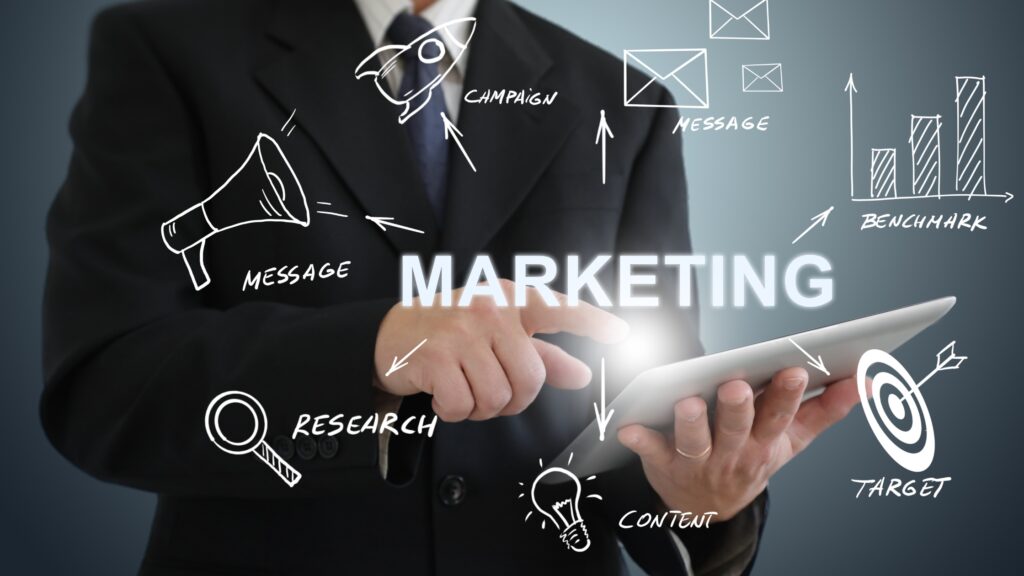
Learning how to Do Digital Marketing becomes much easier when you understand the six-step marketing cycle used by successful businesses.
1. Attract
Everything begins with attracting the right audience.
Methods include:
- SEO
- Blog articles
- YouTube videos
- Social media posts
- Paid advertising
- Influencer marketing
- Online PR
Instead of reaching everyone, effective marketers focus on attracting qualified prospects interested in their products or services.
2. Engage
Once visitors arrive, businesses must capture attention through valuable experiences.
Examples include:
- Helpful articles
- Interactive tools
- Videos
- Live chat
- Webinars
- Infographics
Engagement builds trust and encourages visitors to explore further.
3. Convert
Conversion occurs when visitors complete desired actions.
Examples include:
- Purchasing products
- Booking appointments
- Downloading resources
- Filling out forms
- Requesting quotes
- Subscribing to newsletters
Every successful Digital Marketing campaign prioritizes improving conversion rates through clear calls to action and user-friendly experiences.
4. Retain
Customer acquisition is only the beginning.
Retention strategies include:
- Personalized email campaigns
- Loyalty programs
- Excellent customer service
- Exclusive offers
- Educational newsletters
Retaining consumers is substantially less expensive than obtaining new ones.
5. Measure
One of the greatest strengths of digital marketing is measurable performance.
Businesses monitor metrics such as:
- Website traffic
- Conversion rate
- Cost per acquisition
- Revenue
- Customer lifetime value
These insights help determine what’s working and what needs improvement.
6. Optimize
Optimization means continuously improving campaigns using data.
Marketers may:
- Test headlines
- Improve landing pages
- Refine keywords
- Adjust advertising budgets
- Enhance website speed
- Personalize email campaigns
Continuous optimization is a defining characteristic of mastering Digital Marketing.
What Are the Main Digital Marketing Channels?
Successful businesses rarely rely on a single marketing channel. Instead, they combine multiple channels to maximize visibility, engagement, and conversions.
Search Engines
These Search engines, such as Google and Bing, help users discover information, products, and services. Search engine optimization and paid search advertising allow businesses to appear when customers actively search for solutions.
Websites
A quality website is the foundation of your online presence. It serves as your digital storefront and central hub for all marketing efforts.
Social Media Platforms
Platforms like Facebook, Instagram, LinkedIn, TikTok, X, Pinterest, and YouTube enable businesses to build communities, share content, and interact directly with customers.
Email remains one of the highest-return digital marketing channels because it allows personalized communication with subscribers who have already expressed interest in your business.
SMS
SMS marketing delivers time-sensitive promotions, reminders, and updates directly to customers’ mobile devices, often achieving high open rates.
Online PR
Online public relations involves securing media coverage, guest articles, interviews, and brand mentions across reputable websites to increase credibility and visibility.
Traditional Marketing vs Digital Marketing
| Feature | Traditional Marketing | Digital Marketing |
| Cost | Higher | Lower and scalable |
| Reach | Local or regional | Global |
| ROI Measurement | Difficult | Highly measurable |
| Targeting | Broad audience | Highly targeted |
| Analytics | Limited | Real-time insights |
| Speed | Slow to adjust | Immediate optimization |
Traditional marketing still has value for certain industries, but businesses that understand how to Do Digital Marketing benefit from greater flexibility, lower costs, and better performance tracking.
Types of Digital Marketing
Understanding the major disciplines of digital marketing is essential for building an effective growth strategy.
Search Engine Optimization (SEO)
SEO focuses on improving a website’s visibility in organic search results. It involves keyword research, on-page optimization, technical SEO, quality content creation, and link building to attract long-term traffic.
Content Marketing
Content marketing involves creating valuable resources such as blog posts, guides, videos, podcasts, infographics, and case studies that educate audiences, build trust, and generate leads.
Pay-Per-Click (PPC)
PPC advertising allows businesses to display ads on search engines and other platforms, paying only when users click. It provides fast visibility and measurable results.
Email Marketing
Email marketing strategies help businesses nurture leads, share updates, promote offers, and retain customers through personalized communication.
Social Media Marketing
Social media marketing focuses on building brand awareness, engaging audiences, driving website traffic, and fostering customer relationships through consistent content and interaction.
Affiliate Marketing
Affiliate marketing enables third-party partners to promote your products in exchange for commissions on successful referrals, expanding your reach with performance-based incentives. Affiliate marketing for beginners is a valuable skill an individual should learn to elevate their digital marketing knowledge.
Influencer Marketing
Influencer marketing leverages trusted creators with established audiences to recommend products or services, increasing credibility and brand exposure.
Video Marketing
Video marketing uses tutorials, demonstrations, webinars, testimonials, and short-form videos to educate, entertain, and persuade audiences across multiple platforms.
Mobile Marketing
Mobile marketing ensures websites, emails, ads, and content are optimized for smartphones and tablets, where a significant portion of online activity now occurs.
Local SEO
Local SEO makes it easier for local clients to find and get in touch with businesses by helping them appear in location-based searches.
AI Marketing
AI marketing uses artificial intelligence to automate tasks, personalize customer experiences, analyze data, generate content ideas, and optimize campaigns more efficiently than manual methods.
What Are the Benefits of Digital Marketing?
One of the biggest reasons businesses invest in learning how to do Digital Marketing is the ability to generate measurable results while spending marketing budgets more efficiently than many traditional advertising methods. Whether you run a startup, a local business, or an international company, understanding how to do Digital Marketing helps you connect with the right audience, build lasting relationships, and achieve sustainable growth.
Below are the major benefits of digital marketing.
1. Reach a Global Audience
Unlike traditional advertising, digital marketing allows businesses to reach potential customers anywhere in the world. A well-optimized website or online campaign can attract and increase website visitors from multiple countries 24 hours a day.
Businesses that know how to do Digital Marketing can expand beyond their local markets without opening physical offices in every location.
2. Cost-Effective Marketing
Digital marketing campaigns are often much more affordable than television commercials, newspaper advertisements, or billboards.
For example:
- Blog content can generate traffic for years.
- SEO produces long-term organic visitors.
- Email campaigns cost very little compared to direct mail.
- Social media marketing enables businesses to build communities without enormous advertising budgets.
Learning how to do Digital Marketing allows small firms to compete with much larger organizations.
3. Better Audience Targeting
Traditional advertising often reaches people who have no interest in your product.
Digital marketing allows you to target consumers depending on:
- Age
- Location
- Interests
- Online behavior
- Purchase history
- Device type
- Income level
- Search intent
Better targeting improves campaign performance while reducing wasted spending.
4. Measurable Results
Every click, visit, purchase, download, and email open can be tracked.
Businesses practicing Digital Marketing rely on data instead of guesswork.
Examples include:
- Website visitors
- Lead generation
- Sales
- Revenue
- Conversion rates
- Customer lifetime value
5. Higher Return on Investment (ROI)
Since campaigns can be continuously optimized, businesses often achieve better returns than with traditional advertising.
For example:
- Improving landing pages
- Refining keywords
- Testing advertisements
- Optimizing emails
- Increasing website speed
Small improvements often lead to significant revenue growth over time.
6. Personalized Customer Experiences
Modern consumers expect personalized communication.
Businesses can customize:
- Product recommendations
- Email campaigns
- Website content
- Advertising messages
- Promotions
Personalization increases trust and conversion rates.
7. Faster Campaign Launches
A newspaper advertisement may require days or weeks to publish. Digital campaigns can often launch within hours.
This flexibility enables businesses to react quickly to:
- Seasonal trends
- Breaking news
- Competitor actions
- Customer demand
8. Better Customer Relationships
Businesses that master how to do Digital Marketing consistently communicate with customers through:
- Newsletters
- Social media
- SMS
- Live chat
- Customer communities
This ongoing interaction builds trust and encourages repeat business.
9. Continuous Improvement
One of the greatest strengths of digital marketing is that campaigns can always be improved.
Instead of accepting poor results, marketers analyze data and optimize campaigns based on performance.
10. Competitive Advantage
Companies that understand Digital Marketing often outperform competitors by:
- Publishing better content
- Ranking higher in search engines
- Responding faster to customers
- Making smarter data-driven decisions
The Most Important KPIs in Digital Marketing

Key Performance Indicators (KPIs) measure whether your digital marketing campaigns are achieving their goals.
Understanding these metrics is essential when learning how to do Digital Marketing because they show what is working and where improvements are needed.
Website Traffic
Website traffic monitors the number of people reaching your website.
Traffic sources include:
- Organic search
- Paid ads
- Social media
- Referral websites
- Email campaigns
- Direct visitors
Growing qualified traffic through B2B lead generation is often one of the objectives of a digital marketing campaign.
Click-Through Rate (CTR)
CTR measures how many people click after seeing your advertisement, email, or search result.
Formula:
CTR = Clicks ÷ Impressions × 100
Higher CTR generally indicates compelling headlines and relevant messaging.
Cost Per Click (CPC)
CPC measures the amount paid for each click in paid advertising campaigns.
Lower CPC combined with higher conversions usually improves campaign profitability.
Cost Per Acquisition (CPA)
CPA calculates how much it costs to attract a new customer.
Formula:
CPA = Total Marketing Cost Divided by Number of Customers Acquired
Reducing CPA is a primary goal of successful digital marketers.
Return on Ad Spend (ROAS)
ROAS measures revenue generated from advertising.
Formula:
ROAS = Revenue Generated ÷ Advertising Cost
A higher ROAS indicates better campaign efficiency.
Conversion Rate
The percentage of visitors who finish a targeted action is known as the conversion rate.
Examples include:
- Purchasing products
- Booking consultations
- Downloading guides
- Joining email lists
One of the quickest ways to boost income is to improve conversion rates.
Bounce Rate
Bounce rate measures visitors who leave your website after viewing only one page.
A high bounce rate may indicate:
- Slow-loading pages
- Poor content
- Weak user experience
- Irrelevant traffic
Customer Lifetime Value (CLV)
Customer Lifetime Value estimates how much revenue one customer generates throughout their relationship with your business.
Increasing CLV through retention strategies often produces higher profits than constantly acquiring new customers.
Engagement Rate
Engagement measures audience interaction.
Examples include:
- Likes
- Shares
- Comments
- Saves
- Video watch time
High engagement usually indicates valuable content.
Email Open Rate
Email open rate shows how many subscribers open your emails.
Factors affecting open rates include:
- Subject lines
- Sender reputation
- Personalization
- Timing
Revenue
Ultimately, every marketing campaign should contribute to business growth.
Revenue remains the most important KPI because it reflects the financial impact of your marketing efforts.
How to Do Digital Marketing the Right Way

Many businesses publish random social media posts or run advertisements without a clear strategy. That approach often wastes time and money.
If you truly want to master how to do Digital Marketing, follow these proven steps.
1. Know Your Audience
Everything begins with understanding your ideal customer.
Research:
- Age
- Gender
- Occupation
- Income
- Interests
- Pain points
- Goals
- Buying habits
Create detailed buyer personas to guide your messaging and campaign decisions.
2. Build a Professional Website
Your website is the foundation of your internet presence.
A high-performing website should include:
- Mobile responsiveness
- Fast loading speed
- Clear navigation
- Secure HTTPS connection
- Professional design
- Strong calls to action
- Contact information
- Optimized landing pages
Without a quality website, even the best marketing campaigns may struggle to convert visitors.
3. Optimize for SEO
SEO helps your website attract consistent organic traffic.
Focus on:
Keyword Research
Identify keywords your audience is searching for.
On-Page SEO
Optimize:
- Titles
- Headings
- URLs
- Images
- Meta descriptions
- Internal links
- Technical SEO
Improve:
- Site speed
- Mobile usability
- Crawlability
- Structured data
- Security
- Off-Page SEO
Earn quality backlinks from reputable websites to improve authority and rankings.
4. Create Valuable Content
One of the most effective strategies for drawing in and instructing new clients is still content.
Produce content such as:
- Blog articles
- Videos
- Podcasts
- Infographics
- E-books
- Case studies
- Checklists
- Webinars
Each piece of content ought to address a certain consumer issue.
5. Use Social Media Consistently
Choose platforms where your audience spends time.
Rather than posting randomly, develop a content calendar that includes:
- Educational posts
- Behind-the-scenes updates
- Customer stories
- Product demonstrations
- Industry insights
- Interactive polls
- Live videos
Consistency builds trust and brand recognition.
6. Build an Email List
Your email list is one of your most valuable marketing assets because you own the relationship with your subscribers.
Grow your list using:
- Free guides
- Checklists
- Templates
- Webinars
- Newsletters
- Discount offers:
You have to build an email list to continue nurturing subscribers with valuable, relevant content.
7. Run Paid Advertising
Organic growth takes time.
Paid advertising accelerates results.
Popular platforms include:
- Google Ads
- Microsoft Ads
- Facebook Ads
- Instagram Ads
- LinkedIn Ads
- TikTok Ads
- YouTube Ads
Always test multiple audiences, headlines, creatives, and landing pages to improve performance.
8. Use Marketing Automation
Automation saves time while improving customer experiences.
Automate tasks such as:
- Welcome emails
- Lead nurturing
- Appointment reminders
- Customer follow-ups
- Abandoned cart emails
- Reporting
Marketing automation allows businesses to scale without dramatically increasing workload.
9. Measure Results
Successful marketers never guess.
Monitor performance regularly using analytics tools.
Review metrics including:
- Traffic
- Leads
- Sales
- Conversion rate
- ROI
- Customer acquisition cost
- Engagement
Use these insights to identify opportunities for improvement.
10. Improve Continuously
Digital marketing is never “finished.”
Continue testing:
- Headlines
- Landing pages
- Email subject lines
- Ad creatives
- Keywords
- Calls to action
Small, continuous improvements often produce significant long-term growth.
How to Create a Digital Marketing Strategy

A successful digital marketing strategy provides direction, aligns marketing efforts with business goals, and ensures every campaign has a measurable purpose.
Set SMART Goals
Your objectives should be:
- Specific
- Measurable
- Achievable
- Relevant
- Time-bound
For example: “Increase organic website traffic by 30% within six months.”
Create Buyer Personas
Develop detailed profiles of your ideal customers, including their demographics, motivations, pain points, and buying behavior.
Conduct Competitor Research
Analyze competitors to understand:
- Their strengths
- Their weaknesses
- Content strategy
- SEO performance
- Advertising approach
- Social media presence
This research helps identify opportunities to differentiate your brand.
Perform Keyword Research
Identify the phrases your audience uses when searching for information, products, or services. Prioritize keywords that align with user intent and your business goals.
Build a Content Plan
Create a publishing calendar that balances educational, informational, and promotional content. Consistency is key to building authority and trust.
Set Your Budget
Allocate resources across channels such as SEO, content creation, paid advertising, email marketing, and social media based on your objectives and expected ROI.
Select Marketing Channels
Choose the channels that best match your audience and goals rather than trying to be active everywhere at once.
Define KPIs
Establish clear metrics to measure success, such as traffic, leads, conversions, revenue, and customer retention.
Create Monthly Reports
Review campaign performance regularly, identify trends, celebrate successes, and adjust strategies based on real-world data.
Common Digital Marketing Challenges
Even experienced marketers face obstacles. Common challenges include:
- High competition in crowded markets.
- Frequent algorithm updates affecting search and social visibility.
- Increasing privacy regulations that limit data collection.
- Rising advertising costs on major platforms.
- Rapid AI disruption requiring continuous learning.
- Low-quality leads that don’t convert into customers.
- Budget limitations, especially for small businesses.
The most successful marketers overcome these challenges by staying informed, testing new ideas, focusing on delivering value, and making data-driven decisions.
Future of Digital Marketing: Top Trends
The field of digital marketing is changing more quickly than ever. New technologies, changing consumer behavior, and stricter privacy regulations are reshaping how businesses connect with customers. To remain competitive, businesses must continuously adapt and refine how to Do Digital Marketing using the latest tools, platforms, and best practices.
Below are the top digital marketing trends expected to dominate in 2026 and beyond.
1. AI-Powered Marketing
One of the most significant developments in contemporary marketing is artificial intelligence.
Businesses now use AI to:
- Generate content ideas
- Create marketing copy
- Personalize customer experiences
- Analyze campaign performance
- Predict customer behavior
- Automate repetitive tasks
- Improve customer support
Rather than replacing marketers, AI enables them to work more efficiently and make smarter decisions.
2. ChatGPT and AI Assistants
Generative AI tools such as ChatGPT have transformed content creation and customer service.
Businesses now use AI assistants to:
- Write blog posts
- Generate email campaigns
- Draft social media posts
- Answer customer questions
- Brainstorm marketing ideas
- Conduct keyword research
- Build marketing strategies
Successful marketers combine AI efficiency with human creativity to produce authentic, valuable content.
3. Google AI Overview
Google continues integrating AI-generated summaries into search results.
This means marketers must focus on creating:
- Comprehensive content
- Expert insights
- Original research
- Helpful answers
- Well-structured articles
High-quality content is becoming more important than simply targeting keywords.
4. Voice Search Optimization
Millions of users now search using voice assistants.
Voice searches tend to be:
- Longer
- More conversational
- Question-based
Businesses should optimize content around natural language and frequently asked questions.
5. Zero-Click Searches
Many Google users now receive answers directly within search results without visiting websites.
To remain visible, businesses should optimize for:
- Featured snippets
- FAQ sections
- Structured data
- Knowledge panels
6. First-Party Data
As third-party cookies continue disappearing, businesses increasingly rely on first-party data collected directly from customers.
Examples include:
- Email subscribers
- Customer accounts
- Purchase history
- Surveys
- Loyalty programs
Building your own audience is becoming more valuable than ever.
7. Personalization
Modern customers expect relevant experiences.
Businesses personalize:
- Emails
- Product recommendations
- Landing pages
- Advertisements
- Website experiences
Personalization improves engagement, conversions, and customer loyalty.
8. Video-First Marketing
Video continues to dominate online engagement.
Popular formats include:
- Short-form videos
- Tutorials
- Live streams
- Product demonstrations
- Customer testimonials
- Educational videos
Businesses that consistently publish valuable videos often experience higher engagement rates.
9. Marketing Automation
Automation enables businesses to nurture leads while reducing manual work.
Examples include:
- Welcome email sequences
- Lead scoring
- Automated follow-ups
- CRM integrations
- Personalized recommendations
Automation allows marketing teams to scale efficiently.
10. Predictive Analytics
Machine learning now helps businesses forecast:
- Customer behavior
- Sales trends
- Purchase probability
- Customer churn
- Campaign performance
Predictive analytics enables proactive decision-making instead of reacting after problems occur.
Essential Digital Marketing Tools in 2026

Learning how to do Digital Marketing becomes much easier when using the right software.
Below are some of the most valuable categories of digital marketing tools.
SEO Tools
SEO tools help marketers:
- Perform keyword research
- Track rankings
- Audit websites
- Analyze backlinks
- Monitor competitors
Common uses include improving organic visibility and identifying optimization opportunities.
PPC Tools
Paid advertising platforms assist marketers in:
- Managing campaigns
- Tracking conversions
- Optimizing bids
- Monitoring budgets
- Testing advertisements
These tools improve advertising efficiency and maximize return on investment.
Email Marketing Tools
The platforms allow businesses to:
- Build subscriber lists
- Create newsletters
- Automate campaigns
- Segment audiences
- Track performance
It remains one of the highest-ROI marketing channels.
CRM Software
Customer Relationship Management software stores customer information and helps businesses manage interactions throughout the customer lifecycle.
The systems improve:
- Lead management
- Sales tracking
- Customer support
- Marketing automation
Analytics Tools
Analytics software helps businesses understand:
- Website traffic
- User behavior
- Conversion rates
- Revenue sources
- Campaign performance
Data-driven decisions consistently outperform guesswork.
Social Media Management Tools
These platforms help marketers:
- Schedule posts
- Monitor conversations
- Analyze engagement
- Manage multiple accounts
- Respond to customers
Social media management platforms save time while maintaining consistency.
AI Writing Tools
AI writing assistants help generate:
- Blog outlines
- Social media captions
- Email drafts
- Product descriptions
- Marketing ideas
They improve productivity but should always be reviewed by humans.
Graphic Design Tools
Professional visuals improve engagement.
Design software helps create:
- Social media graphics
- Advertisements
- Presentations
- Infographics
- Website banners
Visual branding strengthens credibility.
Video Editing Tools
These softwares enable businesses to create:
- Tutorials
- Promotional videos
- Product demonstrations
- Customer testimonials
- Social media clips
Video continues to outperform many other content formats.
Automation Platforms
Automation software connects multiple applications and streamlines workflows.
Examples include:
- Lead nurturing
- Customer onboarding
- Reporting
- Notifications
- Task management
Automation increases productivity while reducing repetitive work.
Digital Marketing Certification Courses

Professional certifications strengthen your resume and demonstrate commitment to continuous learning.
Popular certification options include:
Google Digital Marketing
Ideal for beginners learning online marketing fundamentals.
Topics include:
- Search marketing
- Analytics
- E-commerce
- Digital strategy
HubSpot Academy
Offers excellent free courses covering:
- Content marketing
- Email marketing
- CRM
- Inbound marketing
- Sales enablement
Meta Blueprint
Perfect for marketers using Facebook and Instagram advertising.
Topics include:
- Campaign setup
- Audience targeting
- Conversion optimization
- Advertising strategy
Google Analytics Certification
Teaches marketers how to analyze website performance and make data-driven decisions.
Highly recommended for anyone working in analytics or digital marketing.
Semrush Academy
Excellent for learning:
- SEO
- Content marketing
- Competitive research
- Keyword strategy
Many courses are available free of charge.
LinkedIn Learning
Provides professional courses covering nearly every aspect of digital marketing.
Suitable for beginners and experienced marketers alike.
Coursera
Offers university-level digital marketing programs from respected educational institutions worldwide.
Ideal for structured learning.
Digital Marketing Career Opportunities

Demand for skilled digital marketers continues growing as businesses invest more in online marketing.
Popular career paths include:
SEO Specialist
Responsibilities include:
- Keyword research
- Website optimization
- Technical SEO
- Link building
- Performance analysis
Ideal for analytical thinkers who enjoy improving website visibility.
Content Writer
Content writers create:
- Blog posts
- Landing pages
- Email campaigns
- Website copy
- Case studies
Excellent writing and research skills are essential.
PPC Specialist
Oversees paid search engine and social media advertising strategies.
Responsibilities include:
- Keyword bidding
- Budget management
- Campaign optimization
- Conversion tracking
Social Media Manager
Creates and manages content across social platforms.
Daily tasks often include:
- Content planning
- Community management
- Performance analysis
- Influencer collaborations
Email Marketing Specialist
Focuses on:
- Newsletter creation
- Automation
- Audience segmentation
- Conversion optimization
Email specialists often generate significant ROI for businesses.
Marketing Automation Specialist
Designs automated workflows that improve customer experiences while reducing manual effort.
Growing demand makes this a valuable specialization.
Web Analytics Specialist
Analyzes marketing data to improve business performance.
Responsibilities include:
- Dashboard creation
- KPI monitoring
- Conversion analysis
- Customer insights
Digital Marketing Manager
Oversees marketing teams and coordinates multiple campaigns.
Responsibilities include:
- Strategy development
- Budget management
- Team leadership
- Performance reporting
Often one of the highest-paying digital marketing positions.
Freelance Consultant
Many experienced marketers choose freelancing.
Benefits include:
- Flexible schedule
- Global clients
- Unlimited earning potential
- Independence
Freelancing rewards strong expertise and a proven portfolio.
How Much Can You Earn in Digital Marketing?
Salaries vary depending on experience, location, specialization, and industry.
Beginner
Entry-level professionals typically focus on learning core skills while assisting experienced marketers.
Typical responsibilities include:
- Content creation
- Social media management
- SEO research
- Campaign reporting
Intermediate
Professionals with several years of experience usually manage complete campaigns and contribute to strategic planning.
Income increases significantly as expertise grows.
Senior
Senior marketers often lead teams, oversee budgets, develop business strategies, and mentor junior staff.
These positions command substantially higher salaries.
Agency
Agency professionals work with multiple clients across different industries.
Compensation often depends on:
- Experience
- Client portfolio
- Agency size
- Performance bonuses
Freelance
Freelancers may charge:
- Hourly rates
- Monthly retainers
- Project fees
- Performance-based pricing
Highly skilled freelancers can earn more than many full-time employees.
Business Owner
Agency owners and digital entrepreneurs generally have the highest earning potential because income is not limited to a salary.
Revenue depends on:
- Number of clients
- Service pricing
- Team size
- Operational efficiency
Successful agencies can generate substantial annual revenue through recurring client contracts.
How Digital Marketing Pay Is Determined and How to Bargain
Understanding salary factors helps professionals maximize earning potential.
Experience
More years of proven success generally result in higher compensation.
Certifications
Industry-recognized certifications strengthen credibility and may improve salary offers.
Skills
Professionals with expertise in multiple disciplines such as SEO, analytics, paid advertising, and automation often earn more.
H3: Industry
Certain industries, including technology, finance, healthcare, and e-commerce, typically offer higher compensation.
Location
Salary levels vary significantly between countries, cities, and remote positions.
Remote work increasingly enables professionals to earn international rates.
Portfolio
Employers value measurable results.
A strong portfolio demonstrating successful campaigns can significantly improve negotiation power.
Revenue Impact
Marketers who consistently generate leads, increase sales, reduce acquisition costs, or improve ROI often receive higher salaries and bonuses.
Salary Negotiation Tips
- Research current market rates.
- Highlight measurable achievements.
- Present a strong portfolio.
- Showcase certifications and specialized skills.
- Demonstrate how your work impacts revenue.
Be prepared to discuss future contributions rather than only past accomplishments.
Real-Life Example of a Successful Digital Marketing Strategy

Imagine a startup called BrightHome Solutions, a company that sells eco-friendly home improvement products.
Instead of trying every possible marketing tactic, the company follows a structured approach to how to Do Digital Marketing.
Step 1: Build a Professional Website
The company creates a fast, mobile-friendly website with clear product pages, helpful guides, strong calls-to-action, and secure checkout functionality.
Step 2: Optimize for SEO
BrightHome researches keywords related to sustainable home products and publishes optimized landing pages targeting buyer intent.
Within several months, the website begins ranking for valuable search terms, driving consistent organic traffic.
Step 3: Create Helpful Blog Content
The marketing team publishes educational articles such as:
- How to Reduce Home Energy Costs
- Best Eco-Friendly Kitchen Products
- Home Renovation Tips
- Green Living Guides
These articles attract visitors at different stages of the buying journey. All the blog articles can be converted into digital products such as e-books, online courses, etc for more professionalism.
Step 4: Grows an Email List
Every blog post includes downloadable resources and discount offers in exchange for email addresses.
Automated welcome emails educate subscribers before introducing products.
Step 5: Uses Social Media
The company shares:
- Before-and-after transformations
- Customer testimonials
- Short educational videos
- Product demonstrations
- User-generated content
This builds trust and brand awareness.
Step 6: Runs Google Ads
While SEO gains momentum, BrightHome invests in Google Ads targeting high-intent commercial keywords.
Paid campaigns generate immediate sales while organic rankings continue improving.
Step 7: Tracks KPIs
The team monitors:
- Website traffic
- Organic rankings
- Conversion rates
- Cost per acquisition
- Email engagement
- Revenue by channel
- Return on Ad Spend
- Customer Lifetime Value
Underperforming campaigns are improved each month using data.
Step 8: Improve ROI Over Time
- After twelve months:
- Organic traffic triples.
- Email subscribers increase significantly.
Paid advertising becomes more efficient through continuous optimization.
Customer retention improves.
Revenue grows steadily because every marketing channel supports the others.
This example demonstrates that doing digital marketing successfully is not about chasing shortcuts—it is about building an integrated system where each channel reinforces the others.
15 Common Digital Marketing Mistakes to Avoid
Even experienced marketers make mistakes. Avoid these common pitfalls:
- Ignoring SEO fundamentals.
- Publishing low-quality or duplicate content.
- Not understanding your target audience.
- Failing to define measurable goals.
- Neglecting mobile optimization.
- Using inconsistent branding.
- Posting irregularly on social media.
- Buying email lists instead of building them organically.
- Sending generic email campaigns without segmentation.
- Running Google Ads without conversion tracking.
- Ignoring website speed and user experience.
- Not testing headlines, landing pages, or CTAs.
- Focusing only on traffic instead of conversions.
- Making decisions without analyzing KPIs.
- Giving up too early before long-term strategies like SEO and content marketing have time to produce results.
Avoiding these mistakes can significantly improve your digital marketing performance and return on investment.
Digital Marketing Success Checklist
Use this checklist to ensure you’re implementing how to Do Digital Marketing effectively:
- Define clear business goals.
- Understand your target audience.
- Create buyer personas.
- Build a professional, mobile-friendly website.
- Optimize every page for SEO.
- Perform keyword research regularly.
- Publish valuable blog content consistently.
- Use compelling calls-to-action.
- Build and nurture an email list.
- Segment email subscribers.
- Create a social media content calendar.
- Engage with your audience daily.
- Run targeted Google Ads campaigns.
- Optimize landing pages for conversions.
- Install analytics and conversion tracking.
- Monitor important KPIs weekly.
- A/B test headlines, ads, and landing pages.
- Improve website speed.
- Retarget previous visitors.
- Review your strategy quarterly and refine it based on performance data.
Conclusion: Mastering How to Do Digital Marketing in 2026
Learning how to Do Digital Marketing is one of the most valuable investments you can make for your business, career, or personal brand. In today’s competitive online environment, success rarely comes from relying on a single tactic. Instead, it comes from building a complete marketing ecosystem where every channel works together to attract visitors, nurture relationships, generate conversions, and retain loyal customers.
One of the biggest lessons is that digital marketing is both an art and a science. Creativity helps you craft compelling messages, engaging visuals, and memorable campaigns, while data allows you to measure performance, identify opportunities, and continuously optimize your efforts. Businesses that regularly analyze metrics such as organic traffic, conversion rates, customer acquisition cost, return on ad spend, customer lifetime value, and overall ROI are better positioned to make informed decisions and achieve long-term success.
Remember that mastering how to Do Digital Marketing is an ongoing process rather than a one-time project. Consumer behavior shifts, new platforms appear, search engine algorithms change, and rivals adjust. Commit to continuous learning, testing, and refinement, and you’ll stay ahead of the curve.
Finally, revisit this guide whenever you refine your strategy. Treat it as a living roadmap for How to Do Digital Marketing. By consistently implementing these best practices and adapting to changes in the digital landscape, you can attract more qualified traffic, convert more visitors into customers, strengthen long-term relationships, and achieve sustainable success in the years ahead.
Frequently Asked Questions (FAQs) About How to Do Digital Marketing in 2026
Below are some of the most frequently searched questions people ask about how to Do Digital Marketing. These answers are optimized to help beginners, entrepreneurs, marketers, and business owners understand the latest digital marketing strategies in 2026.
What is the best way to learn Digital Marketing?
The best way to learn how to Do Digital Marketing is by combining theory with practical experience. Start by learning SEO, content marketing, email marketing, social media marketing, paid advertising, analytics, and conversion optimization. Then apply what you learn by building your own website or helping small businesses.
Can I learn how to Do Digital Marketing without a degree?
Absolutely. Most successful digital marketers learned through online courses, certifications, practice, and real-world projects rather than formal education.
How long does it take to master Digital Marketing?
Most beginners understand the basics within three to six months. Becoming highly skilled usually takes one to three years of continuous learning and hands-on experience.
Is SEO still important in 2026?
Yes. SEO remains one of the highest ROI digital marketing channels because it delivers long-term organic traffic without paying for every visitor.
Which social media platform is best for marketing?
It depends on your audience.
- LinkedIn for B2B
- Instagram for lifestyle brands
- Facebook for communities
- TikTok for younger audiences
- YouTube for educational content
- Pinterest for visual products
How much should beginners spend on Google Ads?
Start with a small daily budget of $10-$30 while testing keywords, landing pages, and audiences.
Is email marketing still effective?
Yes. Email marketing continues to produce one of the highest returns on investment because you own your audience instead of relying on social media algorithms.
Which KPIs should I track?
Important KPIs include:
- Organic traffic
- Conversion rate
- Cost per lead
- Customer Acquisition Cost (CAC)
- Customer Lifetime Value (CLV)
- Return on Ad Spend (ROAS)
- Email open rate
- Click-through rate
- Revenue
- ROI
Which digital marketing trends will be most prominent in 2026?
Current trends include:
- AI-assisted content creation
- Voice search optimization
- Personalized marketing
- First-party data strategies
- Video-first content
- Marketing automation
- Conversational AI
- Predictive analytics
Can small businesses compete with large companies?
Yes. Small businesses can outperform larger competitors by focusing on niche keywords, local SEO, personalized customer experiences, and valuable content.
Which digital marketing channel gives the fastest results?
Paid advertising like Google Ads and social media ads can generate traffic quickly, while SEO and content marketing typically take longer but provide more sustainable long-term results.
How important is content marketing?
Content marketing is one of the foundations of How to Do Digital Marketing because it attracts, educates, and converts potential customers while supporting SEO, email marketing, and social media.
How often should I publish blog content?
Consistency matters more than volume. Publishing one to three high-quality articles each week is generally more effective than posting many low-quality articles.
Do I need marketing automation?
As your business grows, automation becomes increasingly valuable for email campaigns, lead nurturing, customer segmentation, and reporting.
What is the biggest mistake beginners make?
Many beginners try every marketing channel at once instead of mastering one or two channels first, measuring results, and scaling what works.
How often should I review my marketing performance?
Review key metrics weekly for campaign optimization and conduct a deeper monthly or quarterly performance analysis to adjust your overall strategy.

Pingback: B2B Lead Generation: How to Generate Leads - MarketLiftAI