

Whether you’re a project manager, business owner, freelancer, agency professional, or team leader, learning how to Manage Multiple Projects effectively has become one of the most valuable professional skills in 2026. Modern businesses rarely focus on a single initiative at a time. Instead, teams often juggle product launches, marketing campaigns, software development, client projects, operational improvements, and strategic planning simultaneously. Without the right approach, deadlines are missed, budgets spiral out of control, and employee burnout becomes inevitable.
The ability to Manage Multiple Projects successfully isn’t about working longer hours—it’s about working smarter. By implementing proven systems, prioritizing tasks effectively, and leveraging modern technology, you can oversee several projects without sacrificing quality or productivity.
Today’s organizations also face new challenges brought by remote work, hybrid teams, artificial intelligence, and increasing customer expectations. These trends have transformed multi-project management into a critical business capability rather than an optional management skill. Professionals who can Manage Multiple Projects consistently are better positioned for promotions, higher earnings, stronger client relationships, and long-term business success.
This comprehensive guide explains everything you need to know to Manage Multiple Projects efficiently in 2026. You’ll learn practical strategies, discover common mistakes to avoid, explore modern tools, and understand how AI is changing the future of project execution. Whether you’re managing two projects or twenty, the techniques in this guide will help you stay organized, meet deadlines, and deliver exceptional results.
What Is a Project? (And Why Project Planning Matters)
Before learning how to Manage Multiple Projects, it’s important to understand what a project actually is.
A project is a temporary effort designed to achieve a specific goal within a defined timeframe, budget, and scope. Unlike routine business operations, projects have clear starting and ending points. They are created to deliver a unique product, service, process, or outcome.
Examples include:
- Developing a mobile application
- Launching a new product
- Designing a company website
- Organizing a marketing campaign
- Opening a new business location
- Implementing new software
- Conducting employee training
Every project typically includes:
- Objectives
- Budget
- Timeline
- Team members
- Deliverables
- Risks
- Stakeholders
Regardless of industry, successful projects depend on effective project planning. Without a structured plan, even experienced professionals struggle to Manage Multiple Projects because priorities become unclear and resources are stretched too thin.
Why Project Planning Matters
Proper planning acts as the roadmap for every successful project. It helps teams:
- Define project goals clearly.
- Allocate resources efficiently.
- Estimate realistic budgets.
- Create achievable schedules.
- Identify potential risks early.
- Improve communication among stakeholders.
When organizations fail to invest in project planning, they often encounter delays, scope creep, budget overruns, and dissatisfied clients. Strong planning provides the foundation needed to Manage Multiple Projects without constantly reacting to unexpected problems.
The Core Elements of Every Project
Every successful project shares several essential components:
Objectives
Clearly stated goals help everyone better comprehend what success looks like.
Scope
The project scope outlines what is—and isn’t—included. Managing scope effectively prevents unnecessary work from derailing timelines.
Timeline
A realistic schedule establishes milestones and final delivery dates. Accurate project scheduling becomes even more important when you Manage Multiple Projects at the same time.
Resources
Projects require people, budgets, equipment, and technology. Effective resource management ensures these assets are distributed efficiently across multiple initiatives.
Risks
Every project involves uncertainty. Identifying risks early allows teams to develop mitigation strategies before issues become major obstacles.
Communication
Regular updates keep everyone aligned, reducing misunderstandings and improving team collaboration throughout the project lifecycle.
When these components are managed systematically, organizations are far more likely to Manage Multiple Projects successfully without sacrificing quality or missing deadlines.
What Is Multi-Project Management and Why Is It Important in 2026?
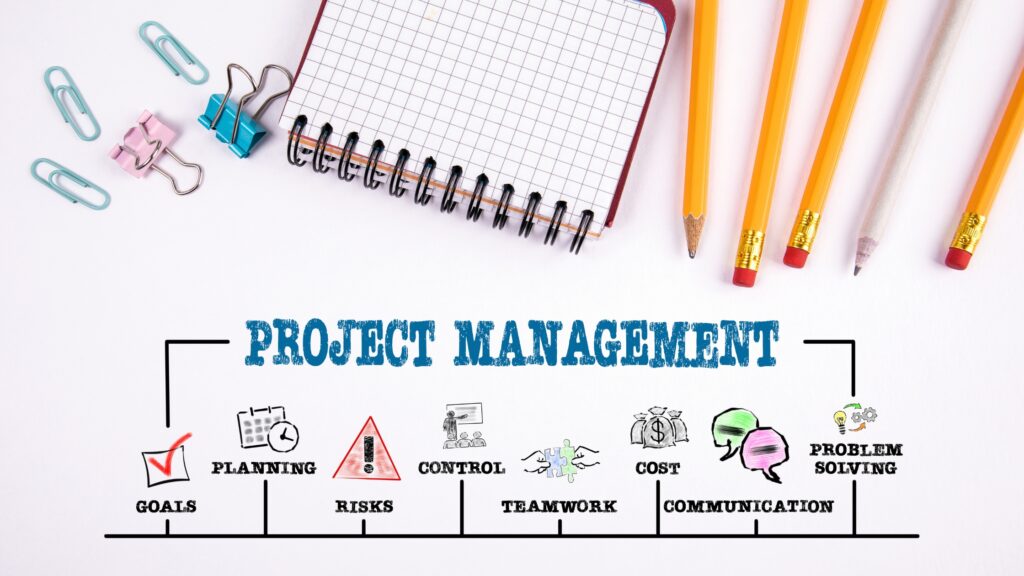
Multi-project management refers to coordinating, planning, monitoring, and controlling several projects simultaneously while balancing resources, priorities, budgets, and timelines.
Rather than focusing exclusively on one initiative, project managers oversee numerous projects with competing demands. This requires exceptional organizational skills, strategic thinking, and effective decision-making.
In 2026, businesses increasingly expect leaders to manage multiple projects as organizations become more agile and interconnected. Marketing campaigns influence product launches, software updates support customer service, and operational improvements affect sales performance. Everything is connected.
Instead of treating projects independently, modern organizations manage portfolios of related initiatives that contribute to broader business objectives.
Why Multi-Project Management Matters More Than Ever
Several trends have made the ability to Manage Multiple Projects essential:
Hybrid Work Environments
Distributed teams collaborate across different locations and time zones. Coordinating schedules requires better planning and digital communication.
AI-Powered Workflows
Artificial intelligence now automates repetitive administrative tasks, making AI project management an increasingly valuable capability.
Faster Business Cycles
Markets evolve quickly. Companies must launch products, update services, and respond to customer needs faster than ever.
Limited Resources
Organizations rarely have unlimited budgets or personnel. Effective workload management helps teams maximize productivity without causing burnout.
Greater Customer Expectations
Clients expect faster delivery, higher quality, and better communication. Organizations that consistently Manage Multiple Projects effectively gain a competitive advantage.
Benefits of Effective Multi-Project Management
Learning how to manage multiple projects produces measurable business benefits.
Better Resource Allocation
Teams avoid overloading employees while ensuring every project receives adequate attention.
Improved Productivity
Clear priorities reduce wasted effort and improve overall efficiency.
Stronger Decision-Making
Leaders gain better visibility into workloads, deadlines, and project dependencies.
Reduced Costs
Better planning minimizes delays, overtime, and unnecessary expenses.
Higher Client Satisfaction
Projects delivered on time strengthen trust and improve long-term business relationships.
Increased Organizational Agility
Companies can adapt quickly to changing priorities without disrupting ongoing work.
These benefits demonstrate why mastering multi-project management has become a critical leadership skill in today’s business environment.
How to Manage Multiple Projects Without Missing Deadlines
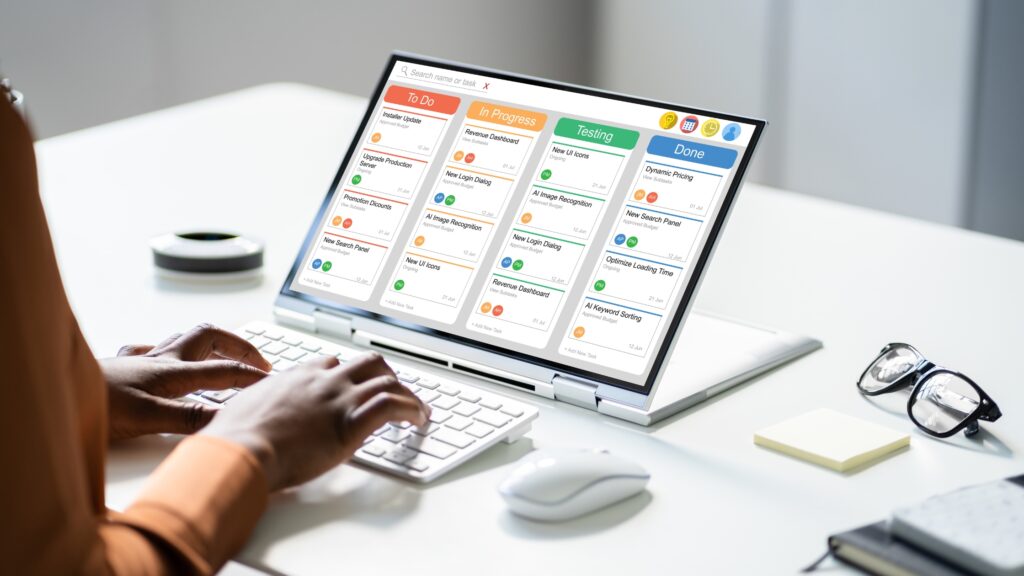
Successfully learning how to Manage Multiple Projects requires more than simply working harder. It involves building repeatable systems that improve organization, communication, prioritization, and execution.
Below are proven strategies used by high-performing project managers worldwide.
Set Clear Project Priorities
Not every project carries equal importance.
One of the biggest mistakes professionals make when trying to Manage Multiple Projects is treating every task as equally urgent.
Instead, categorize projects based on:
- Business impact
- Revenue potential
- Client importance
- Deadline urgency
- Strategic value
- Risk level
A simple prioritization framework, such as the Eisenhower Matrix or the MoSCoW method, can help determine which tasks deserve immediate attention.
Ask yourself:
- What must be completed today?
- Which projects generate the highest business value?
- Which deadlines cannot move?
- What work can be delegated?
Prioritization helps prevent teams from spending valuable time on low-impact activities while high-priority initiatives fall behind.
Break Projects into Milestones
Large projects often feel overwhelming.
Instead of managing one enormous workload, divide every project into manageable milestones.
Examples include:
- Research completed
- Design approved
- Development finished
- Testing completed
- Client review
- Final launch
Breaking projects into milestones makes it much easier to Manage Multiple Projects because progress becomes visible and measurable.
Milestones also improve project tracking, allowing managers to identify delays before they become major issues.
Celebrate milestone completion whenever possible. Small achievements keep teams motivated throughout long-term projects.
Create Realistic Timelines
One of the leading causes of missed deadlines is unrealistic scheduling.
Successful managers don’t simply estimate how long work should take—they consider:
- Team availability
- Public holidays
- Client feedback time
- Unexpected revisions
- Risk buffers
- Resource limitations
When creating schedules, always include contingency time.
For example:
If a task normally requires five days, consider allocating six or seven days to accommodate unexpected issues.
Realistic project scheduling reduces stress while increasing the likelihood of delivering projects on time.
It also helps organizations Manage Multiple Projects without forcing employees into constant overtime.
Use Project Management Software
Trying to Manage Multiple Projects using spreadsheets alone becomes increasingly difficult as complexity grows.
Modern project management software provides centralized visibility into tasks, deadlines, resources, and team progress.
Key features include:
- Task assignments
- Deadline reminders
- File sharing
- Progress dashboards
- Team messaging
- Calendar integration
- Reporting
- Workflow automation
These platforms reduce manual administration while improving accountability across teams.
Instead of constantly asking for updates, managers can view real-time project progress from a single dashboard.
Investing in the right software significantly improves efficiency, especially for organizations managing dozens of simultaneous initiatives.
Build a Master Project Schedule
Rather than maintaining separate calendars for each project, create a single master schedule that combines all major deadlines, milestones, meetings, and deliverables.
A master schedule provides a bird’s-eye view of your entire workload and helps you Manage Multiple Projects without overlooking critical dates.
Your master schedule should include:
- Project start and end dates
- Key milestones
- Client review sessions
- Internal meetings
- Resource availability
- Major dependencies
- Risk checkpoints
Review this schedule weekly to identify potential conflicts before they affect delivery timelines.
When combined with strong prioritization and consistent communication, a master schedule becomes one of the most powerful tools for professionals who need to Manage Multiple Projects successfully.
Time Blocking and Calendar Management
One of the most effective ways to Manage Multiple Projects is by using time blocking. Instead of reacting to tasks as they arise, you set dedicated blocks on your calendar to focus on specific projects or activities.
Time blocking helps you:
- Minimize distractions.
- Improve focus.
- Prevent schedule conflicts.
- Complete high-priority work faster.
- Maintain better time management.
For example:
| Time | Activity |
| 8:00–10:00 AM | Project A – Strategic Planning |
| 10:30–12:00 PM | Client Meetings |
| 1:00–3:00 PM | Project B – Team Review |
| 3:30–5:00 PM | Project C – Progress Updates |
Scheduling your day intentionally ensures that each project receives dedicated attention instead of competing for your focus.
Tips for Effective Time Blocking
Group Similar Tasks
Batch similar activities together, such as replying to emails, reviewing documents, or attending meetings. This reduces mental switching and improves efficiency.
Protect Focus Time
Reserve blocks for deep work and avoid unnecessary meetings during these periods.
Leave Buffer Time
Unexpected issues arise in almost every project. Adding 15–30 minutes between major tasks gives you flexibility without disrupting your schedule.
When practiced consistently, time blocking becomes one of the simplest ways to Manage Multiple Projects successfully.
Identify Dependencies
Projects rarely exist in isolation.
Many tasks depend on the completion of other tasks before work can continue. These relationships are known as dependencies.
Examples include:
- Design approval before development begins.
- Legal review before publication.
- Client approval before production.
- Testing before deployment.
Failing to recognize dependencies often causes delays that affect multiple projects simultaneously.
Create dependency maps showing:
- Which tasks must be completed first?
- Which teams are responsible?
- Expected completion dates.
- Potential risks.
Understanding dependencies helps you Manage Multiple Projects more effectively because you can anticipate bottlenecks instead of reacting to them after deadlines are missed.
Delegate Effectively
Trying to do everything yourself is one of the fastest ways to become overwhelmed.
Successful leaders who Manage Multiple Projects know how to delegate responsibilities based on skills, experience, and workload.
Delegation offers several benefits:
- Faster project completion.
- Better resource utilization.
- Increased employee engagement.
- Reduced manager burnout.
- Improved decision-making.
- Delegate the Right Tasks
Good candidates for delegation include:
- Routine administrative work.
- Research.
- Documentation.
- Quality assurance.
- Data collection.
- Report preparation.
Delegate Clearly
Every delegated task should include:
- Expected outcome.
- Deadline.
- Available resources.
- Success criteria.
- Check-in schedule.
Avoid micromanaging. Instead, guide while giving team members ownership of their responsibilities.
Strong delegation enables organizations to Manage Multiple Projects efficiently without creating bottlenecks around a single individual.
Automate Repetitive Tasks with AI
Artificial intelligence has transformed project management in 2026.
Instead of spending hours on repetitive administrative work, professionals now use AI project management tools to automate routine processes.
Examples include:
- Task reminders.
- Meeting summaries.
- Status reports.
- Resource allocation suggestions.
- Risk identification.
- Workflow approvals.
- Schedule optimization.
- Document generation.
Automation saves important time that can be allocated toward strategic planning and problem-solving.
Where AI Adds the Most Value
AI is especially useful for:
- Scheduling meetings.
- Prioritizing tasks.
- Predicting delays.
- Creating reports.
- Managing recurring workflows.
- Monitoring team workloads.
Integrating AI with workflow automation reduces manual work while improving consistency across projects.
However, AI should support human decision-making—not replace it. Managers still need to evaluate priorities, communicate with stakeholders, and make strategic decisions.
Organizations that combine human expertise with automation are better equipped to Manage Multiple Projects at scale.
Monitor Progress Weekly
One of the biggest mistakes project managers make is waiting until deadlines approach before reviewing progress.
Instead, establish a weekly review process.
Weekly reviews allow you to:
- Identify delays early.
- Update timelines.
- Reallocate resources.
- Resolve blockers.
- Improve accountability.
- Keep stakeholders informed.
A weekly review meeting should cover:
Completed Work
What milestones were achieved?
Upcoming Priorities
Which tasks require immediate attention?
Risks
Have any new issues emerged?
Resource Availability
Does every project have sufficient support?
Timeline Adjustments
Should any deadlines or milestones be revised?
Regular reviews help you Manage Multiple Projects proactively rather than reactively.
Manage Risks Before They Become Problems
Every project contains uncertainty.
Risk management involves identifying possible problems before they affect delivery.
Common project risks include:
- Budget overruns.
- Staff shortages.
- Vendor delays.
- Technical failures.
- Scope changes.
- Client approval delays.
- Build a Risk Register
A risk register should include:
| Risk | Probability | Impact | Response |
| Supplier delay | Medium | High | Alternative supplier |
| Staff illness | Low | Medium | Backup resources |
| Budget increase | Medium | High | Reserve contingency funds |
Updating this register regularly enables teams to Manage Multiple Projects without being caught off guard by preventable issues.
Reduce Context Switching
Context switching occurs when you constantly move between unrelated tasks.
Although it may feel productive, research consistently shows that excessive switching reduces concentration, increases mistakes, and lowers productivity.
For professionals who Manage Multiple Projects, context switching is especially damaging because every interruption requires time to regain focus.
Ways to Reduce Context Switching
- Complete similar tasks together.
- Disable unnecessary notifications.
- Schedule communication windows.
- Finish one priority before starting another.
- Avoid unnecessary multitasking.
Deep, uninterrupted work leads to higher-quality outcomes than constantly jumping between projects.
Reducing context switching is one of the easiest productivity tips to implement, yet it often delivers significant efficiency improvements.
Improve Team Communication
Poor communication remains one of the leading causes of missed deadlines.
When team members lack information, projects slow down due to confusion, duplicated work, and unnecessary delays.
Organizations that successfully Manage Multiple Projects establish clear communication processes.
Best Practices
- Hold short weekly project meetings.
- Share progress reports.
- Document decisions.
- Clarify responsibilities.
- Use centralized communication channels.
- Encourage questions early.
Effective team collaboration ensures everyone understands priorities, deadlines, and expectations.
Create Communication Guidelines
Define:
- Preferred communication tools.
- Response-time expectations.
- Meeting frequency.
- Escalation procedures.
- Reporting formats.
Consistency improves coordination across every project.
Track Project KPIs
You cannot improve what you do not measure.
Key Performance Indicators (KPIs) help evaluate project performance objectively.
Important KPIs include:
Schedule Performance
Are projects progressing according to plan?
Budget Performance
Are expenses remaining within budget?
Task Completion Rate
How many planned tasks are completed each week?
Resource Utilization
Are employees working efficiently without becoming overloaded?
Client Satisfaction
How satisfied are stakeholders with project delivery?
Quality Metrics
How many defects, revisions, or complaints occur?
Tracking these metrics helps managers Manage Multiple Projects using data rather than assumptions.
Review KPIs monthly to identify trends and opportunities for improvement.
Review and Optimize Your Workflow
Managing multiple projects is not a one-time process—it requires continuous improvement.
After completing each project, conduct a structured review.
Ask questions such as:
- What worked well?
- Which deadlines slipped?
- Where were resources underutilized?
- Which communication methods were most effective?
- What should be improved next time?
Document lessons learned and apply them to future projects.
Encourage Continuous Learning
Successful organizations regularly:
- Update processes.
- Train employees.
- Improve documentation.
- Adopt better technology.
- Simplify workflows.
- Standardize best practices.
Continuous improvement strengthens project portfolio management by ensuring that every completed project contributes valuable knowledge for future initiatives.
The organizations that consistently Manage Multiple Projects effectively are those that treat every project as an opportunity to refine their systems, improve collaboration, and increase efficiency.
Common Mistakes When Managing Multiple Projects

Even experienced professionals can struggle to Manage Multiple Projects when they fall into common traps. Recognizing these mistakes early can help you improve productivity, protect your team from burnout, and consistently deliver projects on time.
Taking on Too Many Projects
One of the biggest reasons organizations fail to Manage Multiple Projects successfully is accepting more work than their available resources can realistically handle.
While it may be tempting to say “yes” to every opportunity, overcommitting often results in:
- Declining work quality
- Missed deadlines
- Team exhaustion
- Increased project costs
- Lower client satisfaction
Before accepting a new project, evaluate:
- Current team capacity
- Budget availability
- Existing priorities
- Required expertise
- Project complexity
A clear understanding of your team’s workload management capabilities helps you make informed decisions and maintain sustainable performance.
Not Prioritizing Work
When every task feels urgent, nothing receives the attention it truly deserves.
Professionals who successfully Manage Multiple Projects know that prioritization is a daily activity, not a one-time exercise.
Review priorities every week—and anytime important business changes occur. Consider factors such as:
- Business value
- Deadline urgency
- Customer impact
- Project dependencies
- Resource availability
Reassessing priorities regularly ensures your team focuses on work that delivers the greatest value.
Ignoring Resource Planning
Effective resource management is essential for balancing multiple projects.
Poor resource planning often leads to:
- Overloaded employees
- Idle team members
- Budget overruns
- Scheduling conflicts
Use capacity planning tools to monitor workloads and redistribute responsibilities before problems develop.
Poor Communication
Communication breakdowns are among the primary reasons for project delays.
Without clear communication:
- Teams duplicate work.
- Stakeholders receive inconsistent information.
- Decisions are delayed.
- Risks remain hidden.
Establish consistent communication routines, including weekly status meetings, progress reports, and documented action items.
Organizations that Manage Multiple Projects effectively invest heavily in transparent communication.
Unrealistic Deadlines
Setting impossible deadlines rarely motivates teams—it usually creates unnecessary pressure.
When establishing schedules:
- Consult team members.
- Include contingency time.
- Consider holidays and leave.
- Account for reviews and approvals.
Realistic timelines improve morale and increase the likelihood of successful project delivery.
Skipping Project Reviews
Many managers move directly from one project to the next without reviewing lessons learned.
Project reviews help identify:
- Successful strategies
- Recurring problems
- Process improvements
- Training opportunities
Continuous improvement is a hallmark of mature project management teams.
Not Using Automation
Many organizations still rely on manual spreadsheets and repetitive administrative work.
Modern workflow automation tools can automate:
- Task reminders
- Approval workflows
- Status reports
- Notifications
- Document routing
Automation frees project managers to focus on strategic decisions rather than routine administration.
Trying to Multitask Constantly
Contrary to popular belief, multitasking usually reduces productivity.
Constantly switching between unrelated activities increases errors and decreases focus.
Instead:
- Finish high-priority work first.
- Batch similar tasks.
- Use time blocks.
- Limit interruptions.
Professionals who Manage Multiple Projects efficiently focus on completing important work—not simply staying busy.
How To Know If Your Multi-Project Management System Is Working
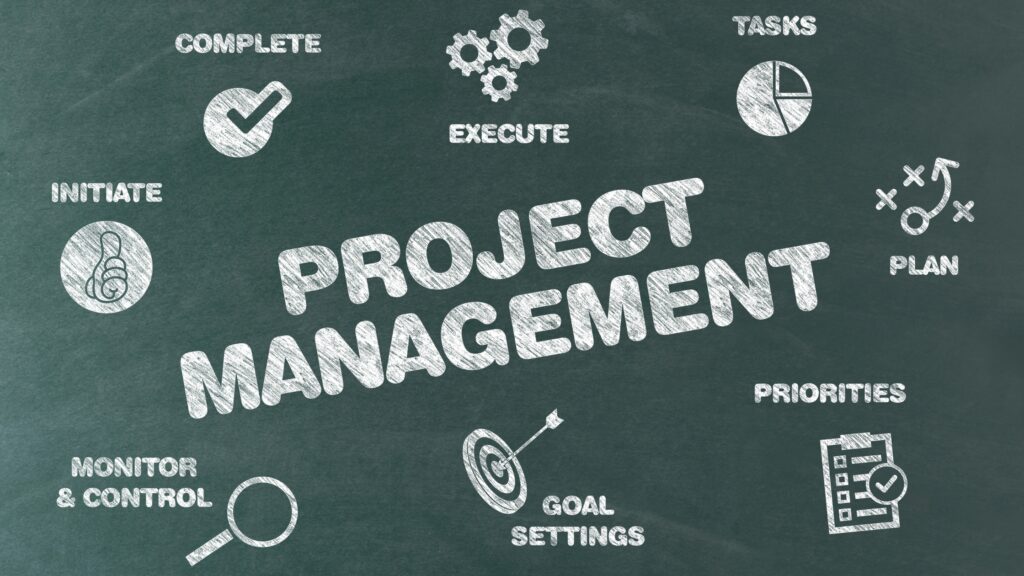
A successful multi-project management system should produce measurable improvements across your organization.
Here are key indicators to monitor.
Projects Delivered on Time
One of the clearest signs that you can Manage Multiple Projects effectively is consistently meeting delivery dates.
Track:
- Percentage of projects completed on schedule
- Average project delay
- Number of deadline extensions
Improving on-time delivery demonstrates stronger planning and execution.
Deadline Completion Rate
Measure how often milestones and final deadlines are achieved as planned.
High completion rates indicate:
- Better scheduling
- Strong accountability
- Effective coordination
Budget Adherence
Successful projects remain within approved budgets.
Monitor:
- Planned vs. actual costs
- Cost variance
- Budget forecasting accuracy
Consistent financial performance reflects disciplined project management.
Team Productivity
Healthy productivity is about delivering results—not simply working longer hours.
Useful productivity metrics include:
- Tasks completed per sprint or week
- Milestone achievement
- Cycle time
- Employee utilization
Avoid rewarding excessive overtime, which can lead to burnout.
Client Satisfaction
Happy clients often signal successful project execution.
Measure satisfaction using:
- Surveys
- Net Promoter Score (NPS)
- Repeat business
- Testimonials
- Referral rates
Delivering quality work on time strengthens long-term relationships.
Lower Employee Burnout
A sustainable system helps teams maintain high performance without chronic stress.
Watch for:
- Reduced overtime
- Lower absenteeism
- Improved morale
- Higher retention
Balanced workloads contribute to long-term success.
Fewer Overdue Tasks
If your project dashboards show fewer overdue tasks over time, your planning and execution processes are improving.
Analyze overdue tasks regularly to identify recurring bottlenecks.
Improved Resource Utilization
High-performing organizations use their people, budgets, and tools efficiently.
Monitor:
- Team capacity
- Equipment usage
- Budget allocation
- Skill utilization
Balanced resource allocation enables organizations to Manage Multiple Projects without overwhelming employees.
Best Tools for Managing Multiple Projects
Choosing the right project management software can dramatically improve visibility, collaboration, and execution.
Below are some of the greatest platforms available in 2026.
| Tool | Best For | Key Features |
| ClickUp | Businesses of all sizes | Tasks, Docs, Goals, AI, Dashboards |
| Asana | Marketing and operations teams | Workflow management, automation, and reporting |
| Monday.com | Large organizations | Visual dashboards, workload planning |
| Trello | Small teams and beginners | Kanban boards, simplicity, integrations |
| Notion | Knowledge management + projects | Documentation, databases, task tracking |
| Wrike | Enterprise teams | Resource planning, reporting, approvals |
| Microsoft Project | Complex enterprise projects | Advanced scheduling, forecasting, and portfolio management |
Which Tool Is Best?
The best choice depends on your needs:
ClickUp is excellent for organizations seeking an all-in-one platform with powerful AI capabilities.
Asana is ideal for teams that rely on structured workflows and collaboration.
Monday.com excels at workload visualization and enterprise-level reporting.
Trello is a great option for individuals or small teams who prefer a simple Kanban approach.
Notion combines documentation and project tracking in one workspace.
Wrike offers advanced features for large organizations managing multiple departments.
Microsoft Project remains a strong choice for complex, large-scale initiatives.
Select software that aligns with your team’s size, budget, and workflow requirements rather than simply choosing the platform with the most features.
Conclusion
Learning how to Manage Multiple Projects is one of the most valuable skills professionals can develop in 2026. As organizations continue to juggle increasing workloads, tighter deadlines, and more complex business environments, the ability to Manage Multiple Projects efficiently has become essential for long-term success.
Throughout this guide, we’ve explored the foundations of project planning, the importance of multi-project management, practical strategies for staying organized, and common mistakes that often lead to missed deadlines. We’ve also examined how AI, automation, and modern project management software can streamline processes, improve collaboration, and support better decision-making.
Remember that no system is flawless from the start. The key is to continuously review your workflows, monitor meaningful performance metrics, and make improvements based on real project outcomes. By setting clear priorities, creating realistic schedules, managing resources wisely, communicating effectively, and embracing the right technology, you can confidently Manage Multiple Projects without sacrificing quality or overloading your team.
Ultimately, successful project management is not about doing more work—it’s about doing the right work at the right time. With the strategies outlined in this guide, you’ll be better equipped to meet deadlines, exceed stakeholder expectations, and build a scalable project management system that delivers consistent results in 2026 and beyond.
Frequently Asked Questions
What is multi-project management?
Multi-project management is the process of planning, coordinating, monitoring, and completing several projects simultaneously while balancing priorities, resources, budgets, and timelines.
How many projects can one project manager handle?
The number varies depending on project complexity, team size, and available resources. Many experienced project managers successfully oversee between three and ten active projects, while enterprise portfolio managers may supervise many more with the support of dedicated teams and technology.
What is the best software for managing multiple projects?
Popular options include ClickUp, Asana, Monday.com, Trello, Notion, Wrike, and Microsoft Project. The best choice depends on your organization’s requirements, budget, and preferred workflow.
How do you prioritize multiple projects?
Prioritize based on business value, strategic importance, customer impact, deadlines, resource availability, and project dependencies. Regular reviews help ensure priorities remain aligned with organizational goals.
What causes project delays?
Common causes include:
- Poor planning
- Scope creep
- Resource shortages
- Communication failures
- Unrealistic timelines
- Delayed approvals
- Technical challenges
- Inadequate risk management
How can AI help manage multiple projects?
AI assists by automating repetitive tasks, generating reports, predicting scheduling risks, optimizing workloads, summarizing meetings, and recommending resource allocation. These capabilities reduce administrative work and support faster decision-making.
What is the difference between project management and multi-project management?
Project management focuses on planning and delivering a single project. Multi-project management involves coordinating several projects simultaneously while balancing shared resources, competing priorities, and organizational objectives.
Which project management methodology works best for multiple projects?
There is no single best methodology. Agile works well for fast-changing environments, Waterfall suits structured projects with fixed requirements, and hybrid approaches combine the strengths of both. The right choice depends on project complexity, industry, and team preferences.