

If you’ve been searching for How to Start Affiliate Marketing for Beginners, you’re not alone. Millions of people around the world are looking for practical ways to earn extra income online, build a side hustle, or even replace their full-time jobs. One of the most accessible and scalable opportunities available today is affiliate marketing.
Learning how to Start Affiliate Marketing for Beginners does not require a large investment, advanced technical skills, or years of business experience. With the right strategy, anyone can build an affiliate marketing business that generates income by recommending products and services they genuinely believe in.
The affiliate marketing industry continues to expand rapidly, and affiliate marketing in 2026 is more competitive yet more rewarding than ever. Businesses increasingly rely on affiliates to promote their products, while creators, bloggers, YouTubers, and social media influencers use affiliate partnerships to generate passive income online. Thanks to AI-powered tools, advanced analytics, and a growing number of affiliate programs, beginners now have more opportunities to succeed than at any time in the past.
Whether you’re a student, freelancer, entrepreneur, stay-at-home parent, or employee looking for an additional source of income, this comprehensive affiliate marketing guide will help you understand every step of the journey.
In this detailed guide, you’ll learn:
- What affiliate marketing is
- How affiliate marketing programs work
- The benefits of affiliate marketing
- How affiliates earn commissions
- The different types of affiliate marketing
- How to choose a profitable niche
- How to build a successful affiliate website
- The best strategies for driving traffic
- Common mistakes beginners should avoid
- Proven affiliate marketing tips for long-term success
By the end of this article, you’ll have a clear roadmap for How to Start Affiliate Marketing for Beginners and build a sustainable online business from scratch.
What Is Affiliate Marketing?
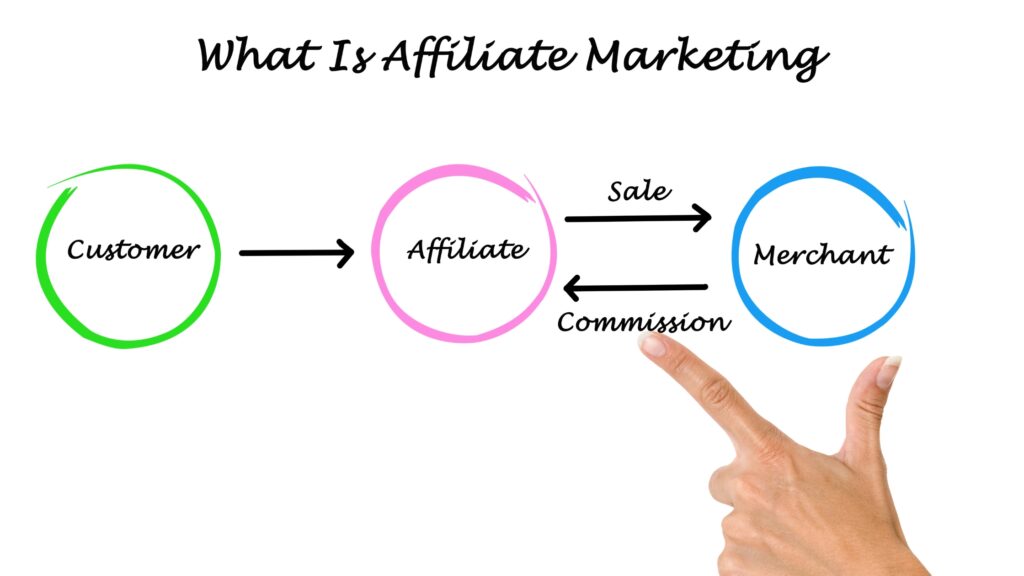
Affiliate marketing is a performance-based marketing model where individuals or businesses earn a commission by promoting another company’s products or services. Whenever someone purchases a product, signs up for a service, or completes another desired action through your unique affiliate link, you receive a commission.
Simply put, affiliate marketing is the process of connecting buyers with products that solve their problems while earning a reward for each successful referral.
Learning how to Start Affiliate Marketing for Beginners begins with understanding this simple relationship between merchants, affiliates, and customers.
Unlike traditional businesses, affiliate marketers don’t need to manufacture products, manage warehouses, or handle customer support. Instead, they focus on creating valuable content that helps people make informed purchasing decisions.
Affiliate Marketing Explained in Simple Terms
Imagine you recommend your favorite laptop to a friend. Instead of simply sharing the product name, you send them a special tracking link provided by the company.
If your friend clicks that link and purchases the laptop, the company pays you a commission.
That’s affiliate marketing.
Think of yourself as a trusted advisor rather than a salesperson. The more valuable your recommendations are, the more trust you build with your audience—and the more opportunities you have to make money with affiliate marketing.
This model benefits everyone involved:
- Customers discover helpful products.
- Companies gain more sales.
- Affiliates earn commissions.
A Real-World Example
Suppose you run an affiliate marketing blog about personal finance.
You write a detailed article titled:
“Best Budgeting Apps for Families in 2026.”
Inside the article, you review five budgeting apps and include your affiliate links.
Here’s what happens:
- A reader finds your article through Google.
- They read your honest comparison.
- These readers click your affiliate link.
- They subscribe to the budgeting app.
- The company pays you a commission.
If hundreds or thousands of readers follow the same process each month, your earnings can grow significantly over time.
This is one of the most common ways successful affiliate marketers generate recurring income.
Why Affiliate Marketing Is Growing in 2026
Affiliate marketing has evolved dramatically over the last decade. Several trends are driving its continued growth in 2026:
Artificial Intelligence
AI tools help affiliates:
- Generate content ideas
- Conduct keyword research
- Improve SEO
- Create marketing campaigns
- Analyze customer behavior
- Optimize conversion rates
This makes it easier for beginners to compete with established publishers.
Growth of E-Commerce
Consumers are ordering more things online than ever before. Every online purchase represents a potential affiliate commission.
Industries experiencing strong affiliate growth include:
- Software
- Finance
- Education
- Health
- Fitness
- Travel
- Home improvement
- Artificial intelligence
- Digital marketing
- Business services
Businesses Want Performance Marketing
Companies prefer paying commissions only when sales occur.
Affiliate marketing allows businesses to reduce advertising risk while rewarding affiliates for measurable results.
This performance-based approach continues to attract brands of every size.
Search Engines Reward Helpful Content
Modern search engines prioritize high-quality, informative content that genuinely helps users.
Affiliate marketers who publish comprehensive guides, reviews, tutorials, and comparisons are well-positioned to attract consistent organic traffic.
More Beginners Are Starting Online Businesses
People are increasingly searching for:
- How to learn affiliate marketing
- How to start affiliate marketing with no money
- Best affiliate marketing platforms for beginners
- Free affiliate marketing websites
These searches reflect the growing interest in building flexible online income streams.
How Do Affiliate Marketing Programs Work?

Understanding how affiliate marketing programs operate is essential when learning how to start affiliate marketing for beginners.
Although the process appears simple, several participants work together to make affiliate marketing successful.
The Merchant
The merchant is the company or individual selling a product or service.
Examples include:
- Software companies
- E-commerce stores
- Online course creators
- Hosting providers
- Financial service companies
- Retail brands
Merchants create affiliate programs to encourage others to promote their products.
Every sale generated through an affiliate earns the affiliate a commission.
The Affiliate
The affiliate is the publisher promoting products.
Affiliates include:
- Bloggers
- Website owners
- YouTubers
- Social media influencers
- Email marketers
- Podcast hosts
- Content creators
Affiliates create valuable content that attracts potential buyers and encourages them to purchase through affiliate links.
The Affiliate Network
Many companies manage their affiliate programs through affiliate networks.
- These platforms:
- Track clicks
- Record sales
- Calculate commissions
- Process payments
- Provide marketing materials
- Generate affiliate links
Affiliate networks simplify the relationship between merchants and affiliates.
The Customer
Customers are the most important part of the process.
Without customers making purchases, no commissions are earned.
Successful affiliates prioritize solving customer problems rather than aggressively selling products.
The Affiliate Marketing Process
Here’s how affiliate marketing works step by step:
Step 1
A company launches an affiliate program.
Step 2
You apply and join the program.
Step 3
You receive a unique affiliate tracking link.
Step 4
You create valuable content around the product.
Step 5
Readers click your affiliate link.
Step 6
The customer purchases the product.
Step 7
The affiliate network records the sale.
Step 8
You receive your affiliate commission.
This cycle repeats every time a qualifying purchase is made through your affiliate link.
The Benefits of Affiliate Marketing
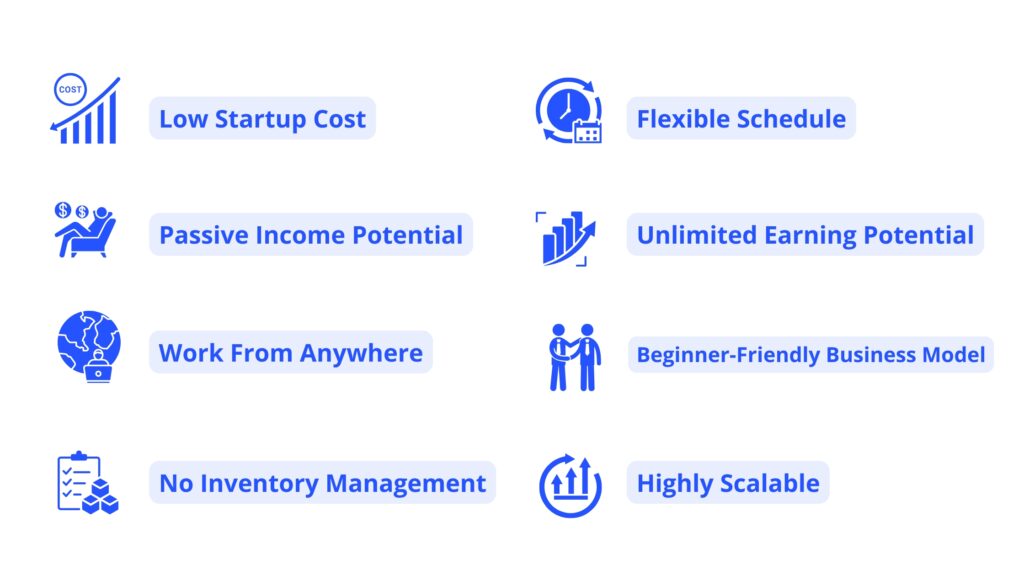
One reason so many people want to learn how to Start Affiliate Marketing for Beginners is the wide range of benefits this business model offers.
1. Low Startup Cost
Unlike traditional businesses, affiliate marketing requires very little upfront investment.
You don’t need:
- Inventory
- Warehouses
- Employees
- Manufacturing equipment
- Many beginners start with just:
- A domain name
- Web hosting
- A WordPress website
2. Passive Income Potential
Affiliate marketing allows content you publish today to continue generating income months or even years later.
For example:
A product review written in 2026 may still attract visitors in 2028 and continue earning commissions.
This makes affiliate marketing one of the most popular ways to build passive income online.
3. Work From Anywhere
Affiliate marketers can work remotely from virtually any location with an internet connection.
Many successful affiliates travel while managing their businesses from laptops.
4. No Inventory Management
Traditional retailers spend considerable time managing inventory.
Affiliate marketers don’t.
The merchant handles:
- Manufacturing
- Shipping
- Returns
- Customer support
- Payment processing
This allows affiliates to focus on creating content and growing their audience.
5. Flexible Schedule
Affiliate marketing offers flexibility that traditional employment often cannot.
You can:
- Work mornings
- Work evenings
- Build your business part-time
- Scale at your own pace
This flexibility makes affiliate marketing attractive for students, parents, and full-time professionals.
6. Unlimited Earning Potential
Unlike salaried jobs, affiliate income isn’t limited by hourly wages.
The more high-quality content you create and the more targeted traffic you attract, the greater your earning potential.
Many affiliates earn:
- Hundreds of dollars monthly
- Thousands per month
- Five-figure monthly incomes
- Six-figure annual businesses
Results vary based on effort, niche selection, and consistency.
7. Beginner-Friendly Business Model
Affiliate marketing doesn’t require advanced technical skills.
You can gradually learn:
- SEO
- Content writing
- Email marketing
- Analytics
- Social media marketing
- Conversion optimization
Each new skill helps your business grow over time.
8. Highly Scalable
Affiliate marketing scales more easily than many traditional businesses.
As your content library expands, you can:
- Promote additional products
- Enter new markets
- Build email funnels
- Hire writers
- Automate repetitive tasks
- Expand into video and podcast content
A single successful article can continue attracting visitors and generating commissions for years.
Why Affiliate Marketing Remains One of the Best Online Business Models
When comparing different online income opportunities, affiliate marketing stands out because it combines relatively low startup costs with the potential for long-term, recurring earnings. Instead of creating your own products, you focus on helping people make informed purchasing decisions. As your expertise grows and your content reaches more readers, your opportunities to earn also increase.
For beginners, the biggest advantage is that you can start small, learn as you go, and gradually build a valuable digital asset that continues working for you over time.
How Do Affiliate Marketers Make Money?

One of the most common questions beginners ask is, “How do I earn in affiliate marketing?” The good news is that there are several commission models available, and the best one for you depends on the affiliate program you join.
Understanding these payment models is an important part of learning how to Start Affiliate Marketing for Beginners.
1. Pay Per Sale (PPS)
Pay Per Sale is the most common commission structure.
With PPS, you earn a commission every time someone purchases a product or service through your affiliate link.
Example
You join an affiliate program for a web hosting business.
Hosting plan price: $100
Commission rate: 40%
Every successful referral earns you $40.
Many software companies, online course providers, and eCommerce brands use this model.
Best for
Product reviews
Buying guides
Comparison articles
Tutorials
2. Pay Per Lead (PPL)
In this model, you don’t need the customer to make a purchase.
Instead, you earn money when someone completes an action such as:
- Filling out a form
- Signing up for a free trial
- Requesting a quote
- Registering for a webinar
- Creating a free account
Example
A finance company pays $20 whenever someone submits a loan application through your referral link.
This model often converts better because users don’t need to spend money immediately.
3. Pay Per Click (PPC)
Some affiliate programs pay simply for sending visitors to the merchant’s website.
Although less common today, PPC can still be found in certain advertising partnerships.
Since commissions are usually lower, affiliates often need significant traffic to generate meaningful income.
4. Recurring Commissions
Recurring commissions are among the most profitable opportunities in affiliate marketing in 2026.
Instead of receiving a one-time payment, you earn every month or every year for as long as the customer remains subscribed.
Examples
Email marketing software
Website hosting
CRM platforms
SEO tools
AI writing tools
Membership platforms
If a software company pays a $30 monthly recurring commission and you refer 100 active customers, your monthly income could reach $3,000 before adding any new referrals.
5. Hybrid Commissions
Some companies combine multiple commission models.
For example:
$50 for each sale
Plus 20% recurring monthly commissions
Hybrid models offer both immediate and long-term earnings, making them attractive for experienced affiliates.
Types of Affiliate Marketing
Understanding the different affiliate marketing styles helps you decide how involved you want to be with the products you promote.
Unattached Affiliate Marketing
This approach involves promoting products without having personal experience using them.
Examples include:
- Running paid advertisements
- Creating simple landing pages
- Promoting trending products
- Advantages
- Fast to start
- Requires less personal branding
- Disadvantages
- Lower trust
- Lower conversion rates
- Difficult to build a loyal audience
Related Affiliate Marketing
In related affiliate marketing, you promote products connected to your niche even if you haven’t personally used every product.
For example:
A digital marketing blogger recommends SEO software after extensive research.
Since the recommendation fits the audience’s interests, conversions are often stronger than unattached marketing.
Involved Affiliate Marketing
This is the most trusted and sustainable approach.
You personally use the product before recommending it.
Examples include:
- Writing detailed reviews
- Sharing personal results
- Recording tutorial videos
- Publishing case studies
Because readers trust authentic recommendations, involved affiliate marketing often produces the highest conversion rates.
If you’re serious about How to Start Affiliate Marketing for Beginners, this is the approach to prioritize.
Comparison Table: Which Type of Affiliate Marketing Should You Choose?
| Type | Trust Level | Difficulty | Best For | Long-Term Success |
| Unattached | Low | Easy | Paid advertising | Low |
| Related | Medium | Moderate | Bloggers and niche websites | High |
| Involved | Very High | Moderate | Bloggers, YouTubers, educators | Very High |
Recommendation for Beginners
For most beginners, Involved Affiliate Marketing is the best choice. By recommending products you’ve genuinely used or thoroughly tested, you build credibility, increase conversions, and create lasting relationships with your audience.
What Are the Different Types of Affiliates?
There isn’t just one way to succeed as an affiliate marketer. Many creators use different platforms to reach potential customers.
1. Bloggers
Bloggers remain among the most successful affiliates.
They create articles such as:
- Product reviews
- Buying guides
- Tutorials
- Comparisons
Search engine traffic can generate affiliate sales for years after an article is published.
2. YouTubers
Video creators build trust by demonstrating products in action.
Popular video formats include:
- Unboxing videos
- Product reviews
- Tutorials
- “Best tools” lists
- Comparisons
Many viewers prefer watching demonstrations before making purchasing decisions.
3. TikTok Creators
Short-form videos continue to grow in popularity.
TikTok affiliates often share:
- Product demonstrations
- Before-and-after results
- Quick tips
- Trending product recommendations
4. Instagram Influencers
Instagram works great for visually appealing products such as:
- Fashion
- Beauty
- Fitness
- Travel
- Lifestyle
- Home décor
Stories, Reels, and carousel posts can all drive affiliate traffic.
5. Email Marketers
Email marketing remains one of the highest-converting channels.
Affiliates build subscriber lists and send:
- Weekly newsletters
- Product recommendations
- Exclusive discounts
- Educational content
Because subscribers already trust the sender, email campaigns often achieve excellent conversion rates.
6. Coupon Websites
Coupon affiliates attract bargain shoppers by promoting:
- Discount codes
- Limited-time offers
- Seasonal promotions
This model generates high sales volumes during major shopping events.
7. Review Websites
Dedicated review sites compare products in detail.
Common examples include:
- Web hosting reviews
- Laptop reviews
- Software reviews
- Camera reviews
Honest, in-depth reviews help readers make informed decisions.
8. Comparison Websites
Comparison websites evaluate multiple products side by side.
Typical comparisons include:
- Best VPNs
- Top web hosts
- Best AI tools
- Top project management software
Comparison tables simplify decision-making and often improve affiliate conversions.
9. Niche Websites
Rather than covering many topics, niche websites focus on one subject.
Examples:
- Gardening
- Personal finance
- Photography
- Pet care
- Fitness
- Artificial intelligence
Niche sites build authority faster and attract highly targeted audiences.
10. Podcast Hosts
Podcast creators recommend products naturally during episodes.
Listeners often trust podcast hosts because of the personal connection they develop over time.
Examples of Affiliate Marketing
Understanding real-world examples makes How to Start Affiliate Marketing for Beginners much easier.
Product Review Blog
A blogger writes:
“Best Noise-Canceling Headphones in 2026”
Each product includes an affiliate link.
Readers purchase through those links, generating commissions.
Software Review Website
A technology website compares:
- CRM software
- SEO tools
- AI writing assistants
- Email marketing platforms
Many software companies offer generous recurring affiliate commissions.
Travel Blog
Travel bloggers promote:
- Hotels
- Travel insurance
- Booking platforms
- Luggage
- Travel gear
These recommendations fit naturally within travel content.
Fitness YouTube Channel
Fitness creators review:
- Supplements
- Home gym equipment
- Workout apps
- Smartwatches
Video demonstrations help viewers understand product benefits.
AI Tools Blog
With AI adoption growing rapidly, many affiliates review:
- AI chatbots
- Image generators
- Productivity software
- Automation platforms
AI software often offers recurring commissions, making this a profitable niche.
Email Newsletter
Some affiliates rely almost entirely on email marketing.
Each week they send:
- Helpful advice
- Product recommendations
- Limited-time deals
- Educational resources
A loyal subscriber base can generate consistent affiliate income.
Advantages and Disadvantages of Affiliate Marketing
Before deciding whether affiliate marketing is right for you, it’s important to understand both its strengths and its challenges.
| Advantages | Disadvantages |
| Low startup cost | High competition |
| Flexible schedule | Results take time |
| Passive income potential | Income isn’t guaranteed |
| No inventory required | Commission rates can change |
| Work from anywhere | Requires consistent content creation |
| Scalable business model | Search engine updates can affect traffic |
| Unlimited earning potential | Building trust takes effort |
| Beginner-friendly | Some niches are saturated |
While the advantages often outweigh the disadvantages, success requires patience, consistency, and a willingness to learn.
How to Start Affiliate Marketing for Beginners

This section is the heart of this affiliate marketing guide. Follow these proven steps to build a solid foundation.
Step 1: Choose a Profitable Niche
Choosing the right niche is one of the most important decisions you’ll make.
A niche should:
- Solve real problems
- Have consistent demand
- Offer quality affiliate programs
- Match your interests or expertise
- Popular Niches in 2026
- Personal finance
- AI tools
- Digital marketing
- Health and fitness
- Technology
- Online education
- Home improvement
- Web hosting
- Productivity software
- Small business
Avoid choosing a niche solely because it appears profitable. Passion and long-term interest make it easier to create valuable content consistently.
Step 2: Research Your Audience
Successful affiliates understand their audience deeply.
Ask questions such as:
- What problems are they trying to solve?
- Which products are they searching for?
- What are their biggest frustrations?
- Which questions do they ask online?
- What solutions can I recommend?
Use tools like Google Search, online forums, and keyword research platforms to discover what your audience is actively searching for.
Step 3: Create a Website or Blog
Although it’s possible to promote affiliate products through social media, owning a website gives you greater control and long-term stability.
Your website serves as your central hub where you can publish:
- Product reviews
- Tutorials
- Buying guides
- Comparison articles
- Case studies
A well-structured website also helps build trust and supports long-term search engine visibility.
Step 4: Choose a Domain Name and Hosting
Your domain name should be:
- Short
- Memorable
- Easy to spell
- Relevant to your niche
Select reliable web hosting that offers:
- Fast loading speeds
- Strong security
- Daily backups
- Excellent customer support
- High uptime
Good hosting improves user experience and can positively influence search engine rankings.
Step 5: Install WordPress
WordPress is the most popular content management system for affiliate marketers because it is:
- Beginner-friendly
- Highly customizable
- SEO-friendly
- Supported by thousands of plugins
- Scalable as your business grows
After installation, choose a clean, mobile-responsive theme and configure essential settings such as permalinks, security, and backups.
Step 6: Create High-Quality Content Consistently
One of the key secrets behind successful affiliate marketing for beginners is providing good content constantly.
People rarely buy things because they notice an affiliate link. They buy because they trust the information that brings them to the goods.
Instead of creating brief advertising articles, produce content that solves problems.
Examples include:
- Complete beginner guides
- Product reviews
- Product comparisons
- Tutorials
- Case studies
- List articles
- Resource pages
Examples:
- How to Get Started in 2026 with Affiliate Marketing
- Bluehost vs Hostinger
- Best Email Marketing Tools for Small Businesses
- How to Build a WordPress Website Step by Step
Every article should naturally contain your affiliate links where applicable.
Aim to publish:
- 2–3 high-quality blog posts weekly
- 1–2 YouTube videos weekly
- Daily social media content
- One email newsletter every week
The more helpful content you publish, the more opportunities you have to make affiliate commissions.
Step 7: Drive Traffic to Your Affiliate Content
Even the best affiliate article won’t make money if nobody reads it.
Traffic is the fuel of affiliate marketing. There are several ways to attract visitors.
Search Engine Optimization (SEO)
One of the most effective long-term sources of traffic is still SEO.
Optimize your articles by:
- Using your primary keyword naturally
- Writing descriptive headings
- Adding internal links
- Optimizing images
- Improving page speed
- Writing detailed content
SEO traffic converts extremely well because visitors are already searching for solutions.
Pinterest works like a visual search engine.
Create attractive pins for:
- Blog posts
- Product reviews
- Tutorials
- Gift guides
Pinterest traffic can continue bringing visitors for months.
Create:
- Helpful posts
- Educational videos
- Live sessions
- Community discussions
Avoid spamming affiliate links directly. Instead, direct people to your blog.
YouTube
Many successful affiliate marketers earn six figures simply by creating helpful videos.
Popular formats include:
- Product reviews
- Tutorials
- Comparisons
- Best tools lists
- Beginner guides
Place affiliate links in the video description.
Email Marketing
Your email list is one of your most significant business assets.
Offer something free, such as:
- Ebook
- Checklist
- Template
- Mini course
Collect subscribers and recommend products through educational emails.
Email marketing consistently generates some of the highest affiliate conversion rates.
Step 8: Build Trust Before Selling
Trust is everything. People don’t buy from strangers. They buy from people they believe.
Ways to build trust include:
- Sharing honest opinions
- Mentioning product pros and cons
- Using products yourself whenever possible
- Showing screenshots
- Sharing personal experiences
- Publishing tutorials
- Answering reader questions
Never recommend things solely because they pay huge commissions.
Long-term trust is worth far more than short-term commissions.
Step 9: Track Your Results
Professional affiliate marketers monitor everything.
Track:
- Click-through rate
- Conversion rate
- Traffic sources
- Top-performing pages
- Revenue
- Bounce rate
- Email subscribers
- Keyword rankings
Tools like Google Analytics and affiliate dashboards help identify what’s working so you can improve over time.
Step 10: Scale Your Affiliate Business
Once you begin earning consistent commissions, it’s time to grow.
Ways to scale include:
- Publish more content
- Hire freelance writers
- Create YouTube videos
- Build an email funnel
- Run paid advertising
- Expand into new niches
- Promote higher-ticket affiliate products
- Build digital products
- Start a Facebook community
Scaling allows you to increase income without starting over.
Many six-figure affiliate marketers simply repeat the same proven process across multiple websites or content channels.
Common Affiliate Marketing Mistakes to Avoid
Many newcomers fail not because affiliate marketing doesn’t work, but because they make avoidable blunders.
Here are the most common pitfalls.
Choosing a Niche Only for Money
A high-paying niche isn’t enough.
If you dislike writing about the topic, you’ll struggle to stay consistent.
Choose something that balances:
- Interest
- Search demand
- Profitability
Promoting Too Many Products
Don’t overwhelm your audience.
Instead of recommending twenty products, recommend the best three to five.
Quality recommendations convert better.
Ignoring SEO
SEO is free traffic.
Without SEO, your blog may never receive enough visitors to generate meaningful commissions.
Learn:
- Keyword research
- On-page SEO
- Internal linking
- Technical SEO
- Content optimization
Writing Thin Content
Google rewards comprehensive content.
Avoid publishing 500-word articles packed with affiliate links.
Instead, create detailed resources that genuinely help readers.
Not Building an Email List
- Algorithms change.
- Search rankings fluctuate.
- Social media platforms evolve.
- Your email list remains yours.
Start collecting subscribers from day one.
Giving Up Too Early
Many affiliate marketers quit after only a few months.
Affiliate marketing takes time.
Most effective marketers spend months generating quality content before earning consistent commissions.
Consistency wins.
Using Too Many Affiliate Links
Stuffing affiliate links into every paragraph reduces trust.
Use links naturally.
Focus first on educating readers.
Sales will follow.
Not Updating Old Content
- Products change.
- Prices change.
- Features change.
- Search engines also prefer fresh content.
Review and update your articles every few months.
How to Launch Your Blog’s Affiliate Marketing

If you already own a blog, you’re halfway there.
Follow this simple process.
Step 1: Choose a blog niche.
Examples include:
- Digital marketing
- Finance
- Health
- Technology
- Software
- Education
- Home improvement
Step 2: Write helpful blog posts.
Examples:
- Ultimate guides
- Product reviews
- Comparison articles
- Tutorials
- Best tools lists
Step 3: Join relevant affiliate programs.
Only promote products that genuinely help your readers.
Step 4: Insert affiliate links naturally.
Examples:
- Product recommendation sections
- Resource pages
- Tutorials
- Comparison tables
- Call-to-action boxes
Step 5: Optimize every article for SEO.
Include:
- Primary keyword
- Meta title
- Meta description
- Internal links
- External authority links
- Image optimization
Step 6: Promote every article.
Share on:
- X
- Email newsletter
Step 7: Update your best-performing content regularly.
Refreshing articles often improves rankings and conversions.
Affiliate Marketing Tips
These practical tips can accelerate your success.
Focus on Helping People
Affiliate marketing is about solving problems, not pushing products.
The more value you provide, the higher your conversions.
Learn Basic Copywriting
- Good headlines increase clicks.
- Good introductions keep readers engaged.
- Strong calls to action improve sales.
- Invest time in improving your writing skills.
Use Comparison Articles
Comparison posts often convert extremely well.
Examples include:
- Product A vs Product B
- Best Hosting Companies
- Top Email Marketing Software
- Best AI Writing Tools
Readers comparing products are often close to making a purchase.
Promote Recurring Commission Programs
Recurring commissions provide ongoing income for as long as a customer stays subscribed.
Examples include:
- Email marketing software
- Web hosting
- CRM platforms
- SEO tools
Diversify Your Traffic Sources
Don’t rely solely on Google.
Use:
- SEO
- YouTube
- Email marketing
- Social media
Diversification reduces risk and creates more opportunities.
Build a Personal Brand
People trust people more than anonymous websites.
Share your experiences, outcomes, and knowledge to gain credibility.
Be Patient
- Affiliate marketing is a marathon.
- Some articles won’t rank for months.
- Continue publishing, improving, and learning.
- Consistency compounds over time.
Grow Your Affiliate Marketing with a Campaign
Once your website gains traction, structured campaigns can dramatically increase your affiliate revenue.
Instead of randomly promoting products, create focused campaigns around a specific problem or goal.
Example Campaign
Suppose your niche is blogging.
You could create a campaign around:
“Start a Blog in One Weekend.”
The campaign could include:
- A pillar blog post
- A step-by-step YouTube tutorial
- A free checklist
- An email series
- Social media posts
- Product reviews
- Comparison articles
- Hosting recommendations
- Keyword research tool recommendations
- Email marketing software recommendations
Each piece of content supports the others, creating multiple opportunities for visitors to engage and convert.
Build an Email Funnel
A simple affiliate campaign might look like this:
- Visitor reads your blog post.
- They download a free guide.
- Visitors join your email list.
- They receive a welcome email.
Over the next week, they receive educational emails with relevant affiliate recommendations.
They click your links and make a purchase.
This approach builds trust before asking for a sale and often results in much higher conversion rates than placing affiliate links alone.
Measure Campaign Performance
Track key metrics such as:
- Page views
- Email sign-ups
- Click-through rate
- Affiliate link clicks
- Conversion rate
- Revenue per visitor
- Earnings per click (EPC)
Analyzing these metrics helps you identify which campaigns generate the highest return so you can replicate and improve them.
Best Affiliate Marketing Niches in 2026

Choosing the right niche is one of the most important decisions when starting affiliate marketing as a beginner. A profitable niche has steady demand, quality affiliate programs, and an audience willing to spend money on solutions.
Here are some of the best affiliate marketing niches in 2026.
1. Artificial Intelligence (AI)
AI continues to dominate both consumer and business markets.
Popular affiliate products include:
- AI writing assistants
- Artificial Intelligence image generators
- AI video creation tools
- Artificial Intelligence chatbots
- AI productivity software
- Artificial Intelligence coding assistants
Many AI companies offer recurring commissions, making this an attractive niche.
2. Digital Marketing
Businesses are constantly searching for ways to increase sales online.
Popular affiliate products include:
- SEO tools
- Email marketing software
- CRM platforms
- Landing page builders
- Marketing automation tools
- Social media scheduling software
This niche combines high demand with relatively high commission rates.
3. Personal Finance
People are always looking for ways to save, invest, and manage money.
Popular offers include:
- Budgeting apps
- Credit monitoring
- Investment platforms
- Tax software
- Business banking services
Finance keywords often have high commercial intent, leading to strong conversion potential.
4. Web Hosting and Blogging
This remains one of the most beginner-friendly affiliate niches.
Promote:
- Web hosting
- Website builders
- Domain registrars
- WordPress themes
- Backup solutions
- Website security tools
Many hosting providers pay generous one-time commissions.
5. Health and Wellness
Health is an evergreen niche with consistent demand.
Content ideas include:
- Fitness programs
- Healthy recipes
- Home workout equipment
- Nutrition apps
- Wellness subscriptions
Always ensure your content is accurate and avoids unsupported medical claims.
6. Software as a Service (SaaS)
SaaS products often provide recurring monthly commissions.
Examples include:
- Accounting software
- Team collaboration tools
- Project management platforms
- Customer support software
- Cloud storage services
Recurring commissions can help build predictable monthly income.
7. Online Education
The e-learning industry continues to grow.
Promote:
- Online courses
- Coding bootcamps
- Language learning apps
- Certification programs
- Business training platforms
Educational content pairs well with affiliate recommendations because readers are actively seeking solutions.
8. Home Office and Productivity
Remote work has created demand for:
- Office equipment
- Productivity apps
- Ergonomic furniture
- Time management software
- Collaboration tools
This niche appeals to freelancers, entrepreneurs, and remote employees.
Best Affiliate Programs for Beginners in 2026
If you’re learning how to start affiliate marketing for beginners, these affiliate programs are well-known, beginner-friendly, and cover a wide range of products and services.
| Affiliate Program | Best For | Commission Type |
| Amazon Associates | Physical products | Percentage of qualifying sales |
| Impact | Multiple brands | Varies by advertiser |
| CJ Affiliate | Established companies | Varies |
| ShareASale | Thousands of merchants | Varies |
| Awin | Global brands | Varies |
| PartnerStack | SaaS products | Often recurring |
| ClickBank | Digital products | Often high percentage commissions |
Before joining any program, read its terms carefully, including payout thresholds, cookie duration, and promotional rules.
How to Choose the Right Affiliate Program

Not every affiliate program is a good fit for every audience.
Consider the following factors:
Product Relevance
Only promote products that solve your readers’ problems.
Reputation
Choose companies with positive customer feedback and reliable support.
Commission Structure
Compare:
- Flat-rate commissions
- Percentage-based commissions
- Recurring commissions
- Performance bonuses
- Cookie Duration
Longer cookie durations can increase your chances of earning commissions if customers don’t buy immediately.
Conversion Rate
Sometimes a lower commission on a product that converts well is more profitable than a higher commission on a product with poor conversions.
Marketing Resources
Some affiliate programs provide:
- Banners
- Product images
- Email templates
- Landing pages
- Training materials
These resources can help you market more effectively.
Essential Tools for Affiliate Marketers
The right tools can save time and improve your results.
Website Platform
A reliable website platform helps you publish content and manage your site efficiently.
Keyword Research Tool
Keyword research helps you uncover topics people are actively searching for.
Look for tools that provide:
- Search volume
- Keyword difficulty
- Related keywords
- Search intent
- SEO Plugin
An SEO plugin can help optimize titles, meta descriptions, internal links, and technical SEO elements.
Analytics Platform
Track important metrics such as:
- Traffic sources
- Visitor behavior
- Conversion rates
- Top-performing pages
Data-driven decisions usually outperform guesswork.
Email Marketing Platform
Email marketing allows you to nurture subscribers with valuable content before recommending affiliate products.
Graphic Design Tool
Create:
- Blog graphics
- Social media posts
- Infographics
- Lead magnets
Professional visuals improve engagement and click-through rates.
Link Management Tool
Managing affiliate links from a central dashboard makes updating and tracking links much easier, especially as your content library grows.
Affiliate Marketing vs. Dropshipping
Both affiliate marketing and dropshipping can generate income online, but they operate differently.
| Affiliate Marketing | Dropshipping |
| No inventory | Zero inventory owned directly, but you manage customer orders |
| No customer support for products | Customer support is usually your responsibility |
| Lower startup costs | Higher startup costs |
| Lower financial risk | Greater operational responsibility |
| Earn commissions | Earn profit margin on product sales |
| No shipping management | Coordinate order fulfillment with suppliers |
If you’re starting with a limited budget, affiliate marketing is often simpler because you don’t process payments, manage returns, or handle logistics.
Affiliate Marketing vs. Blogging
These terms are often confused.
Blogging refers to the process of creating and publishing material.
Affiliate marketing is one way to monetize that content.
A blog can earn income through:
- Affiliate marketing
- Advertising
- Sponsored content
- Digital products
- Memberships
- Online courses
Many successful bloggers combine multiple income streams rather than relying on just one.
Affiliate Marketing vs. Freelancing
Freelancing involves providing services in exchange for payment.
Affiliate marketing involves recommending products and earning commissions on qualifying sales.
| Freelancing | Affiliate Marketing |
| Income tied to client work | Income tied to successful referrals |
| Active income | Potential for passive income over time |
| Requires ongoing client management | Focuses on content and audience building |
| Faster initial earnings | Often takes longer to gain momentum |
Many entrepreneurs combine both. Freelancing can provide immediate cash flow while affiliate marketing grows into a long-term income stream.
How Long Does It Take to Make Your First $100?
One of the most common questions for beginners about starting affiliate marketing is how quickly results appear.
The answer depends on several factors, including:
- Your niche
- Content quality
- SEO strategy
- Traffic volume
- Promotion methods
- Consistency
Some marketers earn their first commission within weeks, while others may take several months before seeing meaningful results.
A realistic approach is to focus on:
- Publishing consistent, high-quality content
- Learning SEO fundamentals
- Building an email list
- Improving your content based on performance data
Rather than chasing quick wins, build systems that can continue generating traffic and commissions over time.
A Real-Life Affiliate Marketing Success Story

I’m a full-time publicist, hobbyist farmer, and affiliate marketing expert. I believe affiliate marketing should be a game changer for publicists and agency owners—helping you boost your clients’ success with strategies that drive real results – Sarah Karger
Sarah Karger launched a blog focused on helping beginners create websites.
During her first three months:
- She published 25 in-depth articles.
- Optimized every article for search engines.
- She shared her content on social media.
- Built an email list by offering a free website setup checklist.
For several months, traffic remained modest. Instead of quitting, she continued publishing helpful tutorials and updating older posts.
As more articles ranked in search results, her website attracted steady organic traffic. Readers trusted her recommendations because detailed guides and practical examples supported them.
Over time, her affiliate commissions grew from occasional sales to consistent monthly income. She later expanded into email marketing, comparison articles, and video tutorials, creating multiple sources of traffic and revenue.
The key lesson is that consistent effort, valuable content, and patience often produce better long-term results than chasing shortcuts.
Affiliate Marketing Glossary
Here are some common terms every beginner should know.
Affiliate Marketing – Promoting another company’s products or services in exchange for a commission on qualifying sales or actions.
Commission – The payment an affiliate receives after a qualifying conversion.
Affiliate Link – A unique tracking link used to identify referrals.
Cookie Duration – The period during which an affiliate referral can still be credited after someone clicks the affiliate link.
Affiliate Program – A program that allows publishers to earn commissions by promoting products or services.
Conversion – A desired activity, such as making a purchase or signing up.
CTR (Click-Through Rate) – The percentage of people who click a link after seeing it.
Earnings Per Click (EPC) – Average earnings generated for each affiliate link click.
Landing Page – A page designed to encourage visitors to take a specific action.
SEO (Search Engine Optimization) – Improving content so it ranks higher in search engine results.
Organic Traffic – Visitors who arrive via unpaid search engine results.
Recurring Commission – Ongoing commission earned while a referred customer remains subscribed.
CPA (Cost Per Action) – A commission model based on a completed action, such as a signup or purchase.
Conversion Rate – The percentage of visitors who complete a desired action.
Passive Income – Income that may continue after the initial work is completed, though it still requires maintenance and optimization.
Conclusion
Learning how to start affiliate marketing for beginners is less about finding a secret formula and more about building a reliable system. Choose a niche you understand, create content that solves real problems, attract targeted traffic, recommend products you genuinely believe in, and measure your results so you can improve over time.
Success rarely happens overnight. Most profitable affiliate businesses are built through consistent publishing, ongoing optimization, and a commitment to helping readers make informed decisions. By applying the steps in this guide, avoiding common mistakes, and continually refining your strategy, you’ll be well positioned to build an affiliate marketing business that can grow steadily in 2026 and beyond.
Frequently Asked Questions
1. What is affiliate marketing?
Affiliate marketing is a business model where you earn commissions by recommending products or services through unique affiliate links.
2. Is affiliate marketing free to start?
It can be started with minimal investment. Many beginners use free social media platforms, while others invest in a website for greater long-term control.
3. How much can beginners earn?
Earnings vary widely depending on niche, traffic, content quality, and consistency.
4. Do I need a website?
No. You can also use YouTube, email newsletters, or social platforms, although a website provides greater flexibility and long-term value.
5. Which niche is best for beginners?
Popular options include digital marketing, software, personal finance, AI tools, education, and web hosting.
6. How do affiliate links work?
Each affiliate receives a unique tracking link that attributes qualifying referrals to them.
7. Can I promote multiple affiliate programs?
Yes, provided the products are relevant to your audience and you comply with each program’s terms.
8. Is SEO necessary?
SEO is not the only traffic source, but it is one of the most effective long-term strategies for attracting consistent visitors.
9. How often should I publish content?
Consistency matters more than volume. A realistic publishing schedule you can maintain is usually more effective than sporadic bursts of content.
10. How do I get traffic?
Traffic can come from search engines, email marketing, YouTube, social media, and partnerships.
11. When should I expect my first commission?
Some affiliates earn quickly, while others take several months. Results depend on your niche, strategy, and consistency.
12. Can affiliate marketing become a full-time business?
Yes. Many marketers build full-time businesses by combining quality content, diversified traffic sources, and multiple affiliate partnerships.
13. Do I need to disclose affiliate links?
Yes. In many jurisdictions and under many affiliate program policies, you should clearly disclose that you may earn commissions from qualifying purchases.
14. Can I perform affiliate marketing while working a full-time job?
Absolutely. Many people start as a side project before deciding whether to expand it.
15. What’s the biggest mistake beginners make?
Expecting instant results. Sustainable affiliate marketing typically requires consistent effort over time.
16. Is affiliate marketing still worth it in 2026?
Yes. As e-commerce and digital services continue to grow, affiliate marketing remains a viable monetization strategy for creators who provide genuine value and build audience trust.